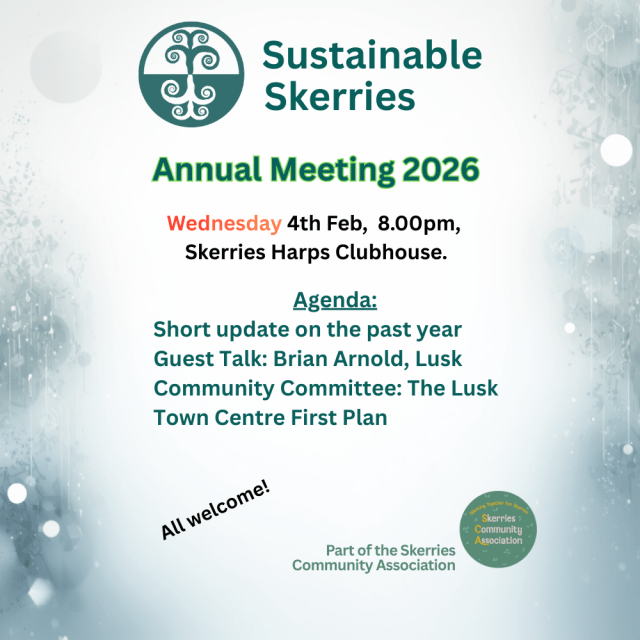
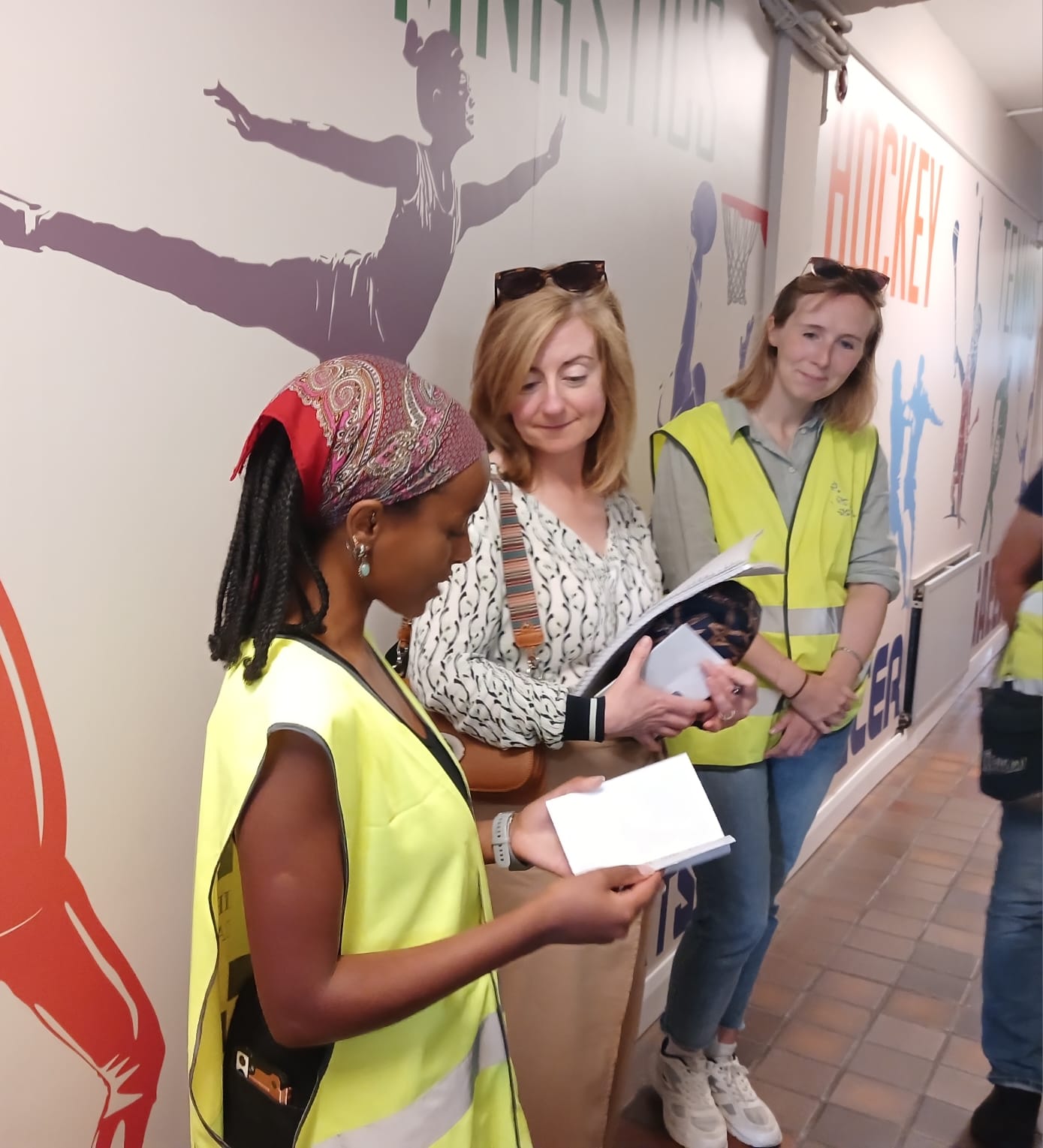
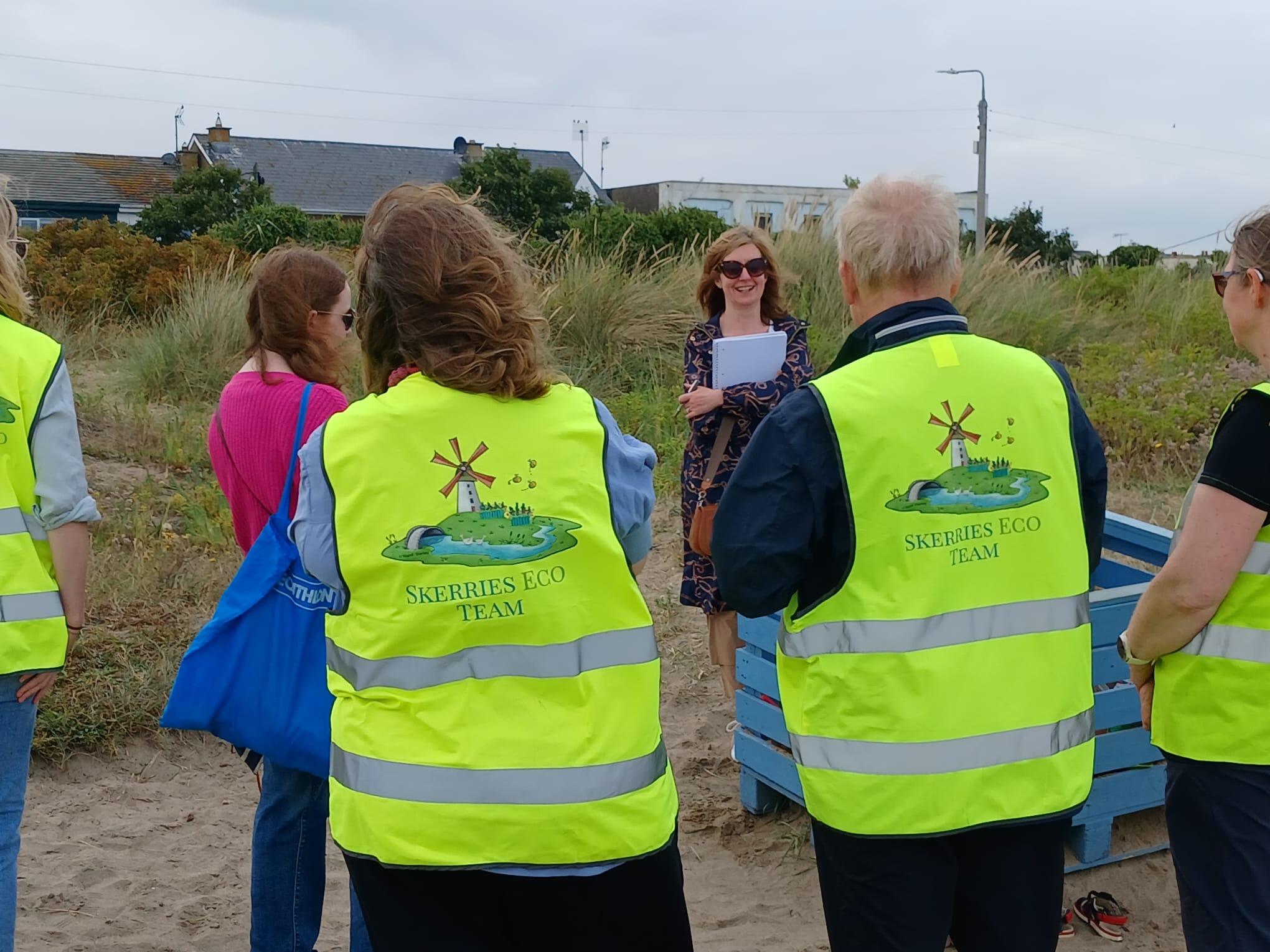
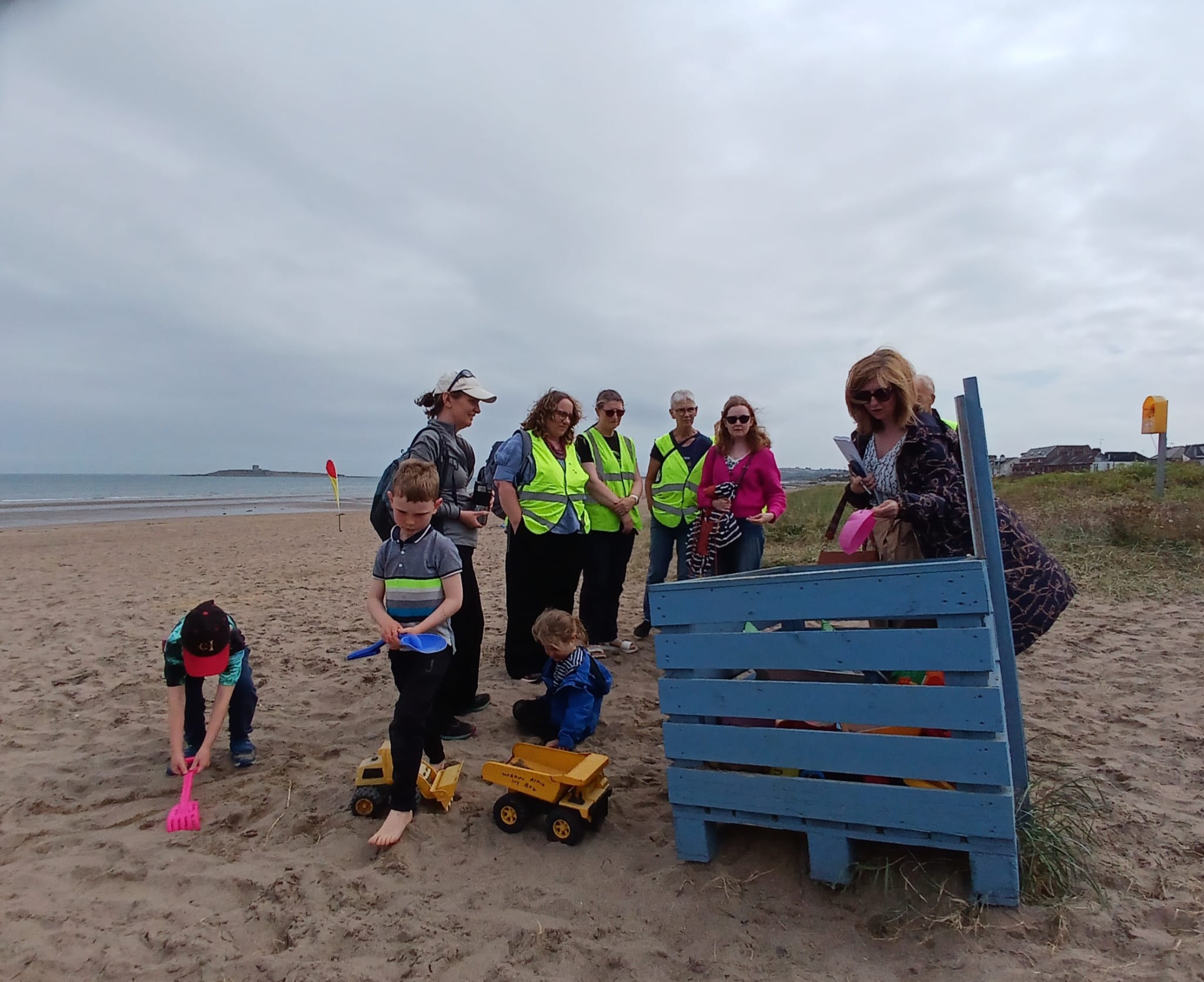
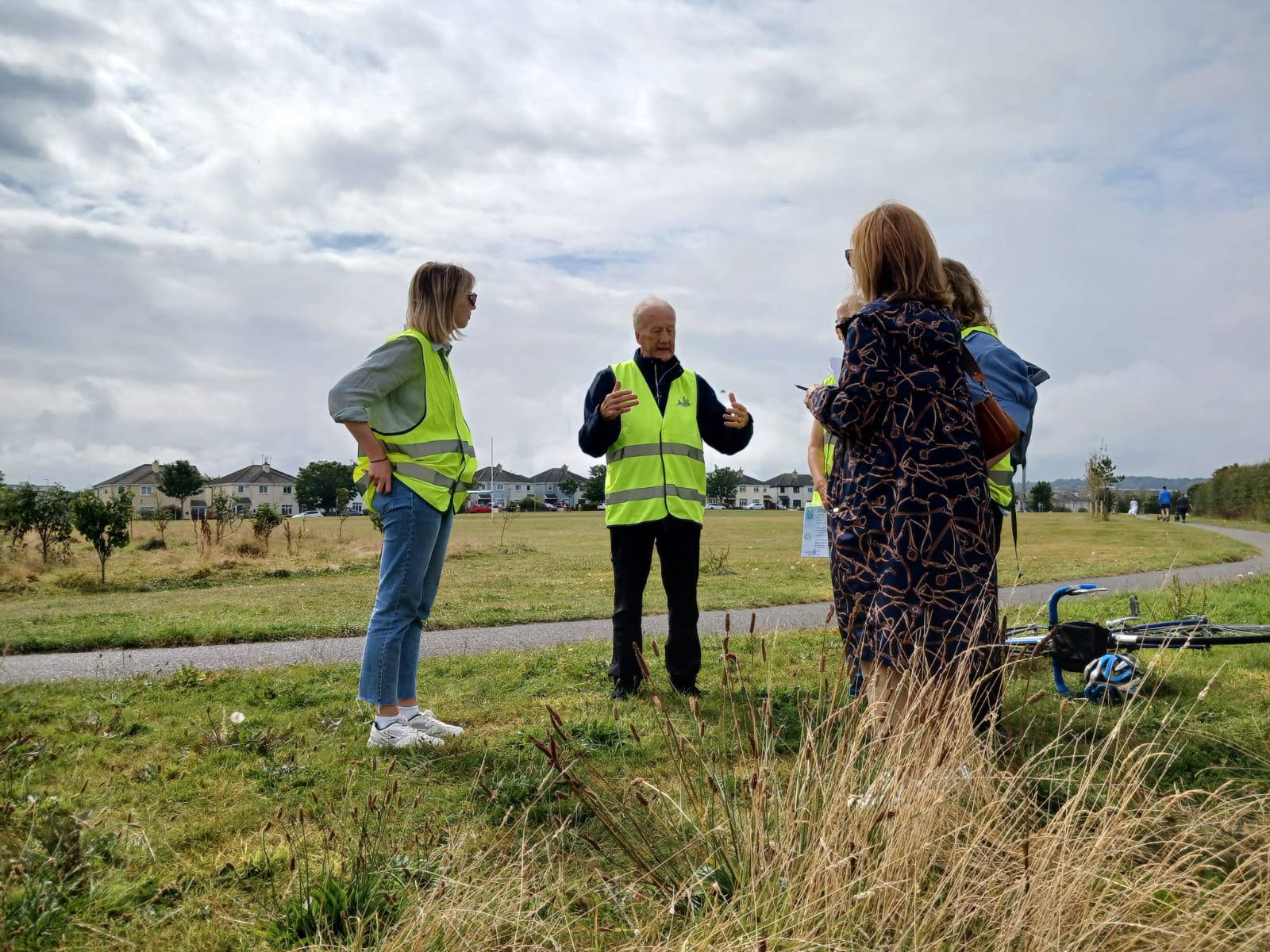
We are inviting all interested to join us for the 2026 Annual Meeting on Wed 4 February 2026, from 8 pm, in the Skerries Harps Clubhouse. The evening will consist of an illustrated look back on our work (we = Sustainable Skerries, a committee of the Skerries Community Association) over the last twelve months and a presentation on the Lusk Town Centre First process by Lusk Community Association chair, Brian Arnold. Given that our own Skerries Town Centre First process is about to kick off, that should be very interesting! There will be time for chats afterwards, and nibbles have been promised.
Here are the draft minutes of the 2025 meeting:
Sustainable Skerries Annual Meeting
28th January 2025, 8pm GAA Club Skerries
Introduction
Sabine McKenna, the outgoing chair of Sustainable Skerries introduced videos of what Sustainable Skerries has been doing over the last year: The Skerries Sustainability Ripple Effect (the video for Pride of Place award, for which Sustainable Skerries was nominated by Fingal County Council in 2025) and Skerries Eco Festival 2024. She recommended subscribing to Sustainable Skerries and Fingal County Council’s YouTube channels for further videos. She then gave an overview of the meeting agenda and introduced the guest speaker Adrian Kelly from Skerries Sustainable Energy Community Initiative.
Adrian Kelly – “Sustainable Energy and You, Production and Consumption of Energy in Ireland”
Adrian introduced the Skerries Sustainable Energy Community Initiative (SSECI), which like Sustainable Skerries is a subcommittee of the Skerries Community Association. He invited everyone interested to join their WhatsApp chat group, where people can ask questions and get useful information on sustainable energy.
Adrian then explained the focus of the talk – on how each person can optimise their energy use for a sustainable future, linking the macro picture of electricity in Ireland to individual home energy use. He explained where Ireland’s electricity comes from, primarily from renewables (c.40% in October 2024) and natural gas (c. 48% in October 2024). Natural gas price is a key driver of electricity prices in Ireland. He explained the rationale for moving more electricity generation to offshore wind (energy demand is growing, renewable energy use has plateaued at c.40%, onshore wind development is constrained by network grid capacity and planning gridlock, and demand centres are at the coast).
He then explained how electricity demand rises over the day, peaking between 5 pm and 7 pm. Much of the renewable energy generated at non-peak times (e.g., during the night) is currently wasted. So, what can we do about this? We need to flatten and reduce the electricity demand curve.
Adrian explained that solar panels can be used to decarbonise electricity use in the home during the day, serving to reduce the demand curve. He discussed some of the considerations involved in getting these, with further information available in the SSECI WhatsApp chat group.
He then explained how smart meters provide data on electricity usage (which is available to everyone with a smart meter even if not on a smart meter tariff (see https://www.esbnetworks.ie/existing-connections/meters-and-readings/my-smart-data). This can be used to analyse where your energy is being used and support behavioural change, even without using a smart meter tariff (by moving electricity usage to off-peak times where possible). He then explained the different types of smart meter tariffs and the considerations involved in choosing one. The idea behind these is to flatten the demand curve by encouraging more usage of electricity outside of current peak times through price incentives. For example, EV owners can benefit from smart meter tariffs by charging their cars at cheap rates during the night. There was concern in the audience that people can’t switch back to a fixed tariff from a smart meter tariff. Plans should be carefully researched before switching. There was also concern expressed about electrical appliance failure causing fire during the night, another audience member responded that this was highly unlikely with modern appliances given EU safety standards.
Adrian then noted the ESB “Is this a good time” programme, where people receive texts when the grid is stressed to reduce use, with rewards (e-vouchers) available for participation. He encouraged everyone to sign up for this.
He provided a list of useful links for further information (see slides).
Further audience discussion focused on the benefits of solar panels (including the addition of a battery and a switch to allow off-grid usage if the grid is down, noting these are non-standard and have additional costs). EVS can charge a house also in a power outage with the right equipment.
On smart tariffs, communication from providers is essential as take-up has been slow.
Sabine thanked Adrian for his excellent talk and said the slides would be distributed after the meeting.
Sustainable Skerries Committee Formalities
Sabine thanked three members who left the committee during the year – Ernestine Woelger, Evelyn Cottell, and Sarah-Jane Cullinane. She welcomed new members Katie Lattimore and Sara Reddy. New members are always welcome. Regarding finances, the accounts form part of the SCA accounts and will be available for the SCA annual meeting.
Committee Overview
The leads for each work area provided updates on their work during the year:
Biodiversity – Charlie and Marion Heasman
Open Orchards and Online Presence – Sabine McKenna
Water Project – Helen Scullion
Pride of Place, Eco-Festival, Cuppa for Climate – Sara Reddy
Forest School – Breda Naddy
Beach Box and Consultations – Miriam Sweeney
The new chair, Katie Lattimore, introduced herself and spoke about how excited she is to take on this role and she is looking forward to working with everyone.
Launch of the Skerries Eco Town Booklet
The idea behind this booklet is to share sustainability information widely throughout the town, as so much happens throughout the year. Sara Reddy led this piece of work. Sustainable Skerries is very grateful for the sponsorship from Gerry’s store and the Progressive Credit Union. Sean Staunton, Progressive Credit Union manager, spoke about the credit union’s commitment to sustainability, with a community fund available to support sustainability initiatives. He highlighted that Progressive Credit Union will launch low-cost loans for home energy retrofits shortly. Sabine noted that the Eco Town Booklet is available for attendees and will be distributed more widely soon.
AOB/Discussion
The Sustainable Skerries Committee thanked Sabine for her wonderful job chairing the committee for the past4 and a half years and made a small presentation.
Sabine encouraged everyone to join the Sustainable Skerries WhatsApp chat group if not a member already.
The following were also raised in the discussion
There is a new working group in the town considering sustainable transport, set up by the SCA
The new library will have a maker space, the Sustainable Skerries Committee is looking for someone to lead organising repair cafes
Janette Scott, the FCC community officer, highlighted funding available for International Women’s Day (8th March) events.
Janette also highlighted that groups in the town can register with the Public Participation Network (PPN), if they haven’t already, and the PPN newsletter will return soon.
Sustainable Skerries has made a submission on the draft Active Travel Plan for Skerries. You can read it in the Submissions section, and we have also copied the full text below. Submissions close on Monday 19 January at 23:59, and can be made here: https://consult.fingal.ie/en/consultation/draft-skerries-active-travel-plan We encourage everyone to make a submission of their own. People are often more likely to submit when they don’t like a plan, so it’s important that those of us who support the plan in its overall shape also have our say. Naming what you support (and any tweaks you suggest) helps shape a better final plan for everyone.
Sustainable Skerries welcomes the opportunity to comment on the draft Skerries Active Travel Plan (‘the plan’). Overall we strongly support the aims of this plan to improve traffic circulation, provide better access to public transport, shorten walking and cycling distances, enhance pedestrian accessibility and connectivity, provide safe, practical, and accessible cycling routes and create a more attractive and welcoming environment for residents and visitors. We note the multiple environmental, societal, health, and economic benefits of active travel, which have been evidenced extensively through research, as referenced in the plan. We appreciate the recognition of Sustainable Skerries, Skerries Open Orchards and Skerries allotment holders as key stakeholders for enhancing the natural environment of Skerries (p.95). Sustainable Skerries would be happy to provide input into more detailed plans for landscape buffers, sustainable urban drainage systems, pollinator friendly planting etc.
Communication
We appreciate the extent of communication on the plan so far. We encourage Fingal County Council to continue to actively communicate with the local community including via social media. It is important to ensure that there is active and constructive discussion based on the facts, and to encourage broad engagement through multiple channels (e.g. local community groups, informal Whatsapp groups etc.).
Accessibility and Safety
We welcome the many new proposed pedestrian crossings and narrowing the entrances to various roads, which will make it safer to travel on foot or by cycle, as well as for anyone using a wheelchair or mobility scooter. The plans to increase permeability / open up routes through the estates to pedestrians and cyclists will make many areas of the town more easily accessible. The proposed path alongside the railway line would make it significantly easier for residents of Ballygossan and nearby estates to walk to the railway station, this would be a big improvement.
To improve the plan from an accessibility and safety perspective, we ask that it is further reviewed to address the current issue with pedestrian access to the Community Centre, St Patrick’s Junior & Senior national schools and the route to Church street beside the schools and tennis courts – see map below. Anyone walking in from the Dublin road side towards central Skerries has to cross the car park entrance to the Community Centre. This is a very busy entrance way since the Community Centre is used throughout the day. Cars exiting the Community Centre are on an incline and have limited visibility. At the busiest times, when children are arriving at or leaving the school and the Montessori, cars are often also using the entrance in both directions for various activities. The lights at the nearby pedestrian crossing can take a very long time to change, which leads to two dangerous situations. Many people don’t bother to wait for the lights. But also, when there are lots of primary school children waiting to cross, the crowd further reduces driver visibility & sometimes reaches as far as the car park entrance.
We would love to see the experts on the active travel team come up with change(s) to make this busy area safer for everyone.
We note that a suggestion has been made to use the Community Centre Car park for a “park & stride” to the Community College. Such a plan would make it doubly important to make the entrance way safer for pedestrians.
The proposed additional pedestrian crossing close to Gavney’s Gap will give a welcome extra option, but doesn’t remove the need to cross the carpark entrance.
Green Spine
We fully support the proposal of the “green spine” as a continuous, sensory friendly, shared active travel facility; with its emphasis on inclusivity and environmental sensitivity.
However, while the green spine is a wonderful idea, it passes through an area where there is an existing problem caused by traffic for Skerries Community College. Currently, at drop off and pick up times in particular, but also at the start and end of lunch break, a large number of cars converge on Foxgrove & Townparks (both cul de sacs) at the same time – see map below. This results in cars being parked all along one side of the road, and other cars making 3 point turns in the road, or being forced to drive on the wrong side of the road to pass them. Often there is gridlock. At the same time, pupils are arriving / departing on foot and bicycles. In conjunction with the green spine encouraging active travel through this route, measures may need to be taken to discourage vehicular traffic at these busy times. Extended streets near both community college entrances should be considered as part of the “front-of-school” interventions.
Cycling Infrastructure
We welcome the proposals for improved cycling infrastructure, including new & improved cycle lanes in the town centre and on the Barnageeragh Road. We note this is consistent with local pre-consultation feedback. As well as encouraging cycling, these will also improve traffic flow as cars will mostly no longer have to use the same roadspace as cyclists.. We believe the proposed one way system on church street, thomas hand street and strand street would bring big improvements, with relatively minimal inconvenience to drivers. We would expect that the improved movement in traffic would compensate drivers using the slightly longer route of the proposed one-way system in the town centre. We agree that trialling this proposal is a good idea and this should hopefully provide some reassurance to those raising concerns.
We recognise that reduced parking is a key concern. However research shows that a substantial proportion of short car journeys could feasibly be walked or cycled https://www.seai.ie/sites/default/files/publications/Behavioural-Energy-and-Travel-Tracker-Report.pdf. There is also research demonstrating that businesses benefit from re-allocation of road space to active travel Blackrock 4-year Covid Mobility Follow-On Feb 2025. See further research references below. We would really like to see car parking spaces freed up for those who really need them and may currently struggle to get them at peak times, especially people with mobility issues or other needs who cannot walk or cycle. We also feel that parking in Skerries needs to be reviewed holistically across the whole town. There are many broader issues that need to be addressed, including parking for campervans (mentioned in the plan), which currently take up substantial space on the South Strand every summer. We also expect more visitors via the Fingal Coastal Way, a park and ride facility should be considered for them. It is positive that the plan includes the possibility of using smart technology to assist with deliveries and other parking requirements.
Public Transport
A mobility hub at the train station would be a very positive development, making it easier for even more residents to use active travel to access the trains and encouraging visitors by train. Like other submissions, we feel the town would benefit from a bus stop at the train station itself (notwithstanding that there is one near the train station access way on the Barnageeragh Road). The plan mentions new Bus Connects routes but our understanding is that these are delayed until 2027 at the earliest and the routes are not necessarily finalised. Skerries would really benefit from a local town bus service (preferably using an electric bus to reduce environmental impact), serving the estates, town centre and train station. Such a service would help reduce car traffic and alleviate car parking issues. Upgrades to bus shelters will be very welcome, we request that bike stands be considered as part of these upgrades at strategic points where there is sufficient space, to further help active travel connectivity.
Biodiversity and Water Management
We are strongly supportive of the biodiversity and water management aspects of the plan, including Sustainable Urban Drainage Systems in laneways, pocket pollinator friendly gardens and support for the carder bee habitat. We note the proposed lane through the St. Patrick’s Close Open Orchard, we would be happy to discuss this further and request that existing trees are protected.
Further Research
We understand that some people in the town are worried about the changes, as research shows that people do not like change, and find it difficult to find the positives about proposed changes that they didn’t initiate. Research shows that, while communities often resist infrastructure changes like pedestrianisation or bicycle lanes, acceptance typically increases after implementation. It simply takes time for residents to grasp benefits like improved safety, cleaner environments and greater liveability. Research findings consistently show that many business owners initially concerned about loss of customers report higher revenues once foot traffic increases. Overall, once people experience the positive outcomes, such as reduced accidents and enhanced community spaces, initial objections tend to fade, and support grows.
Several studies support this:
1) New York City’s Department of Transportation Study (2013)
This study examined the impact of bicycle lane and pedestrian plaza projects, finding a 49% increase in retail sales on streets where bike lanes were installed, compared to only 3% on streets without them. It also showed improved safety and community approval after the infrastructure was introduced.
Source: “The Economic Benefits of Sustainable Streets” – NYC DOT
A study conducted in Copenhagen on cycling infrastructure revealed a significant increase in cyclist numbers and a corresponding rise in public approval after bike lanes were introduced. Residents initially skeptical about the changes came to appreciate the benefits, including improved safety and reduced congestion.
Source: “City of Cyclists: Copenhagen Bicycle Account 2010”
3) Melbourne, Australia – Business Impact Study (2014)
Melbourne introduced pedestrianisation and cycling infrastructure in certain districts. Initial business opposition turned to support as the report found that foot traffic increased, and businesses experienced a 20% rise in sales.
Source: “Economic Impact of Bicycle Infrastructure in Melbourne” – The Urbanist
4) UK Department for Transport Study (2018)
This study looked at multiple cities in the UK where bicycle lanes were added. Support for cycling infrastructure rose from 40% pre-implementation to 70% post-implementation, as the public recognised safety, health, and congestion-relief benefits.
Source: “Cycling and Walking Investment Strategy Report” – UK DfT
5) Netherlands Road Safety Impact Study (2015)
A study in the Netherlands found that pedestrianised streets experienced a 20-30% reduction in accidents involving vehicles and pedestrians. This contributed to greater public approval of traffic-calming and pedestrian-focused infrastructure over time.
Source: “Road Safety Effects of Pedestrianization in Dutch Cities” – SWOV Institute for Road Safety Research
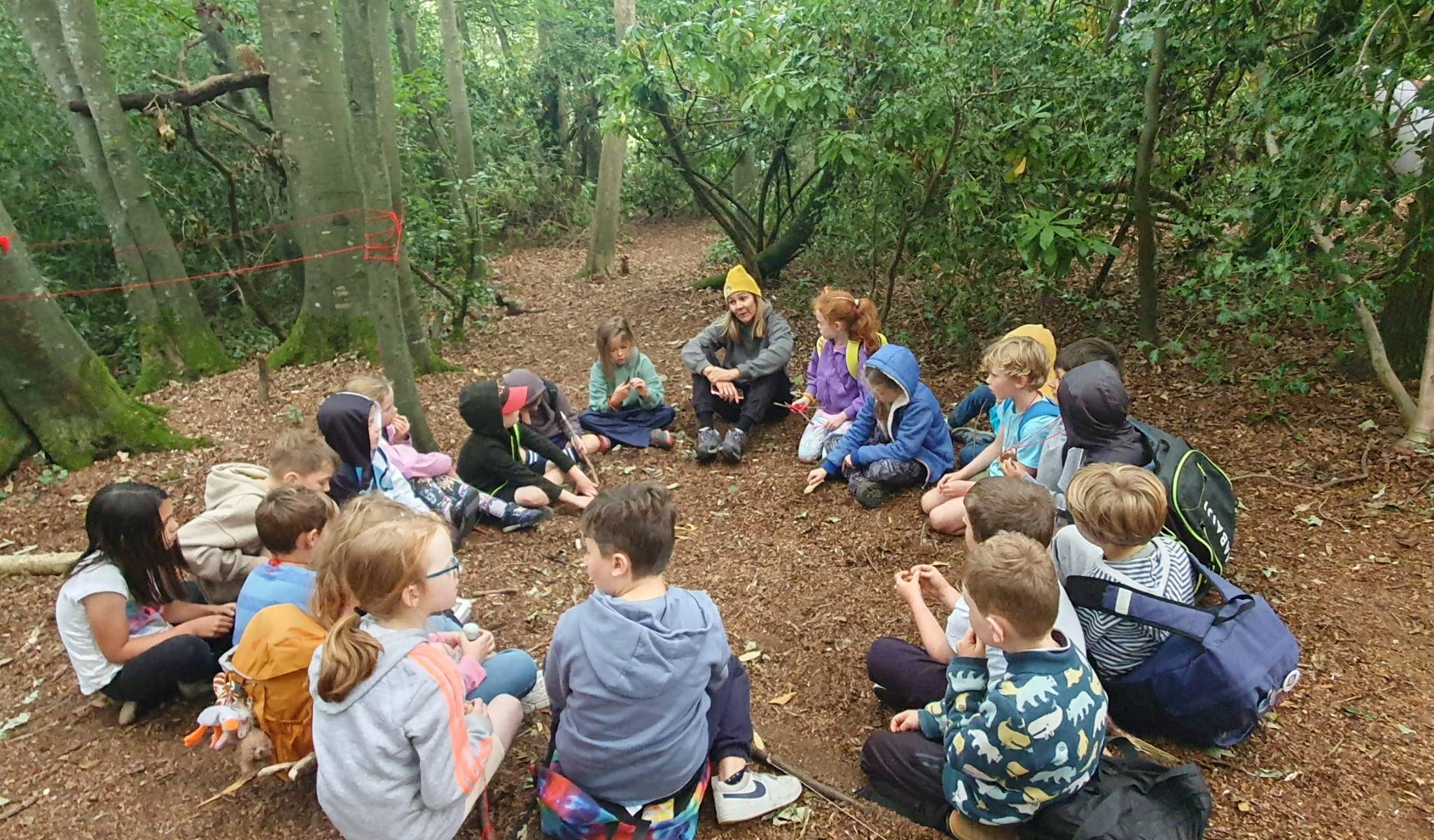
Breda, organiser of the Forest School project with Sustainable Skerries, sent us this lovely blogpost a couple of months ago. We finally get around to publishing it… what a lovely memory of summer!
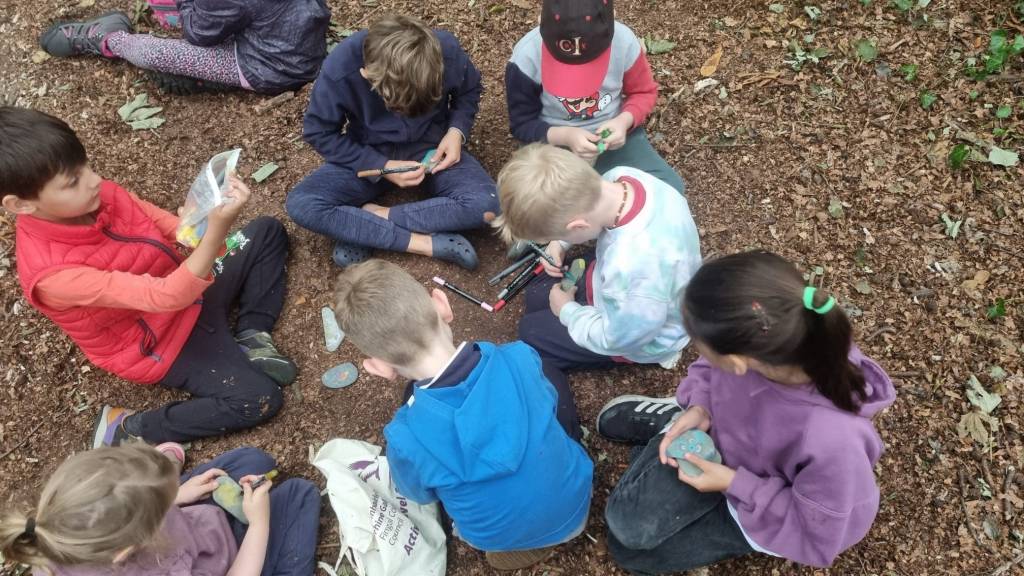
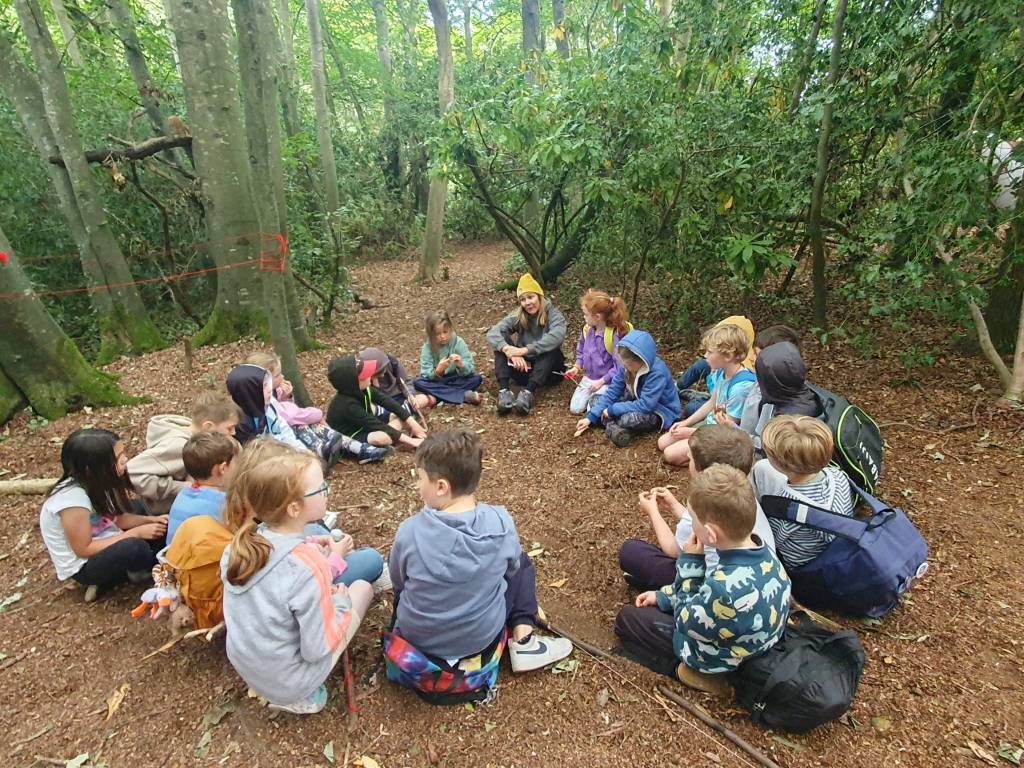
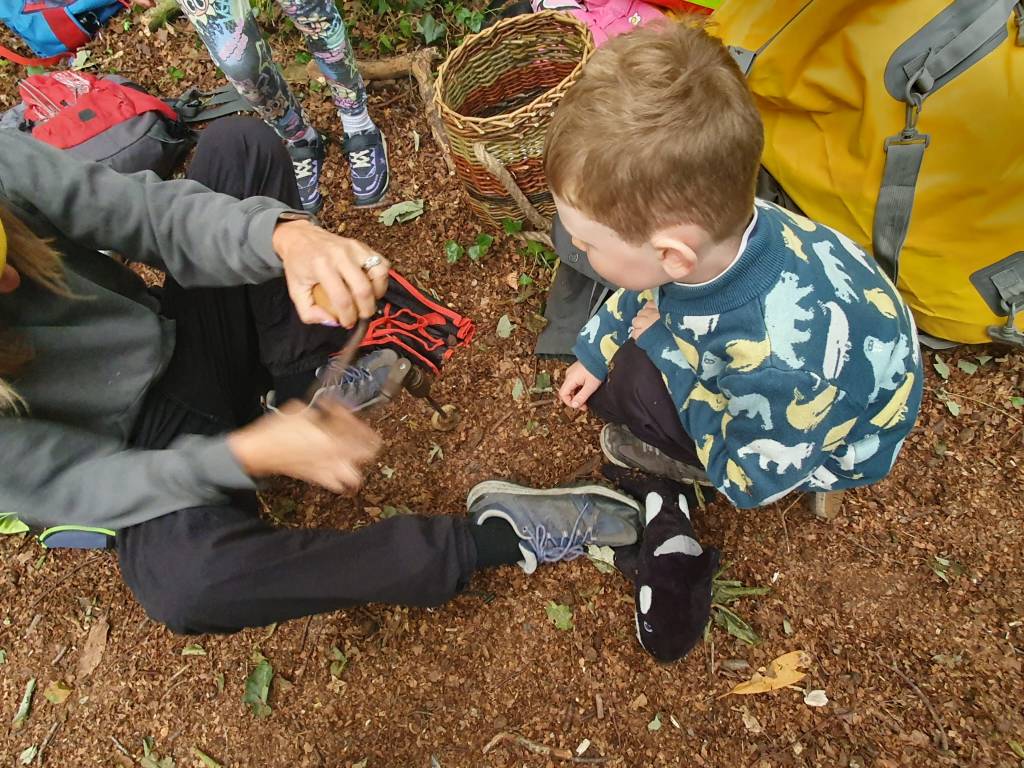
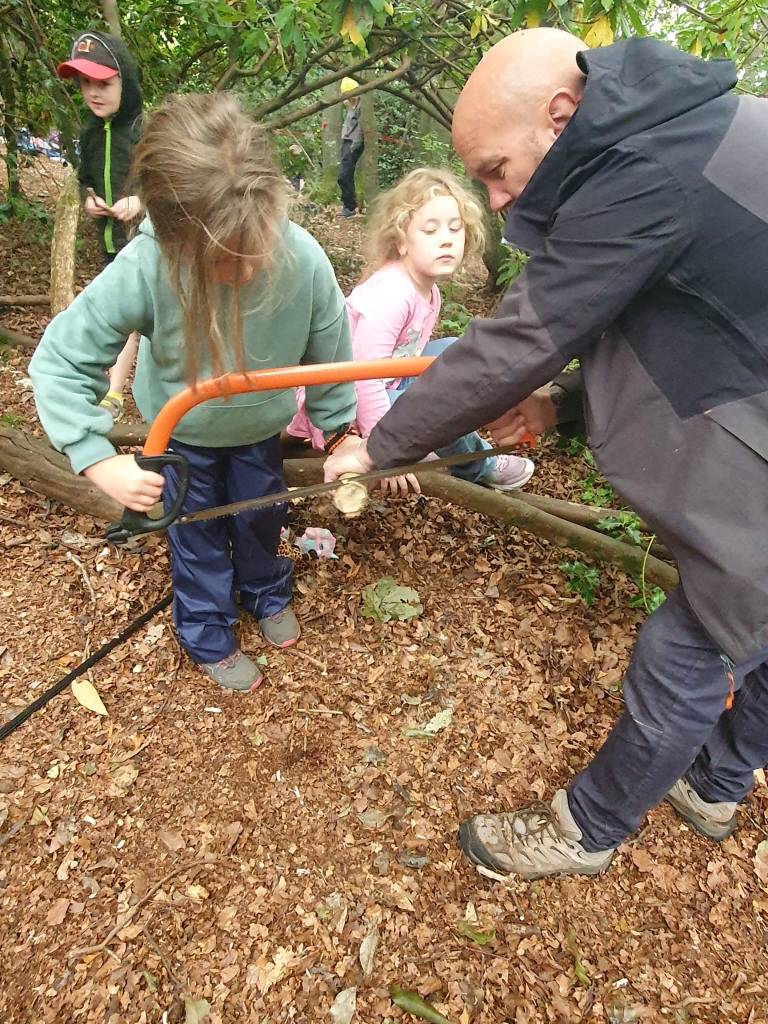
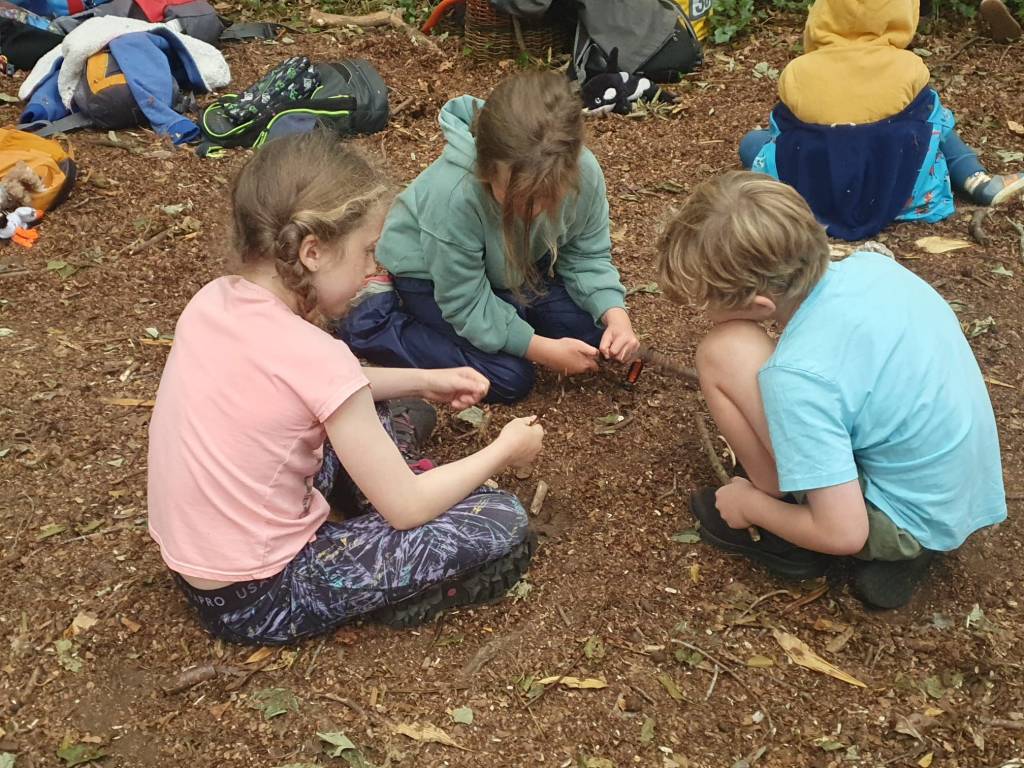
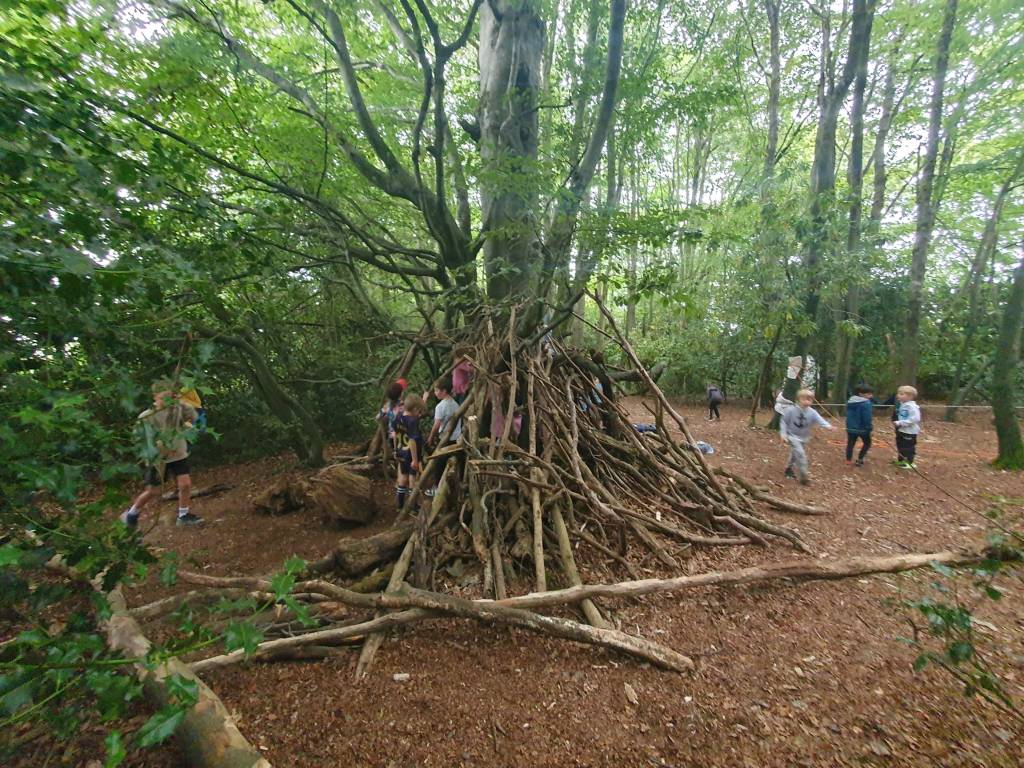
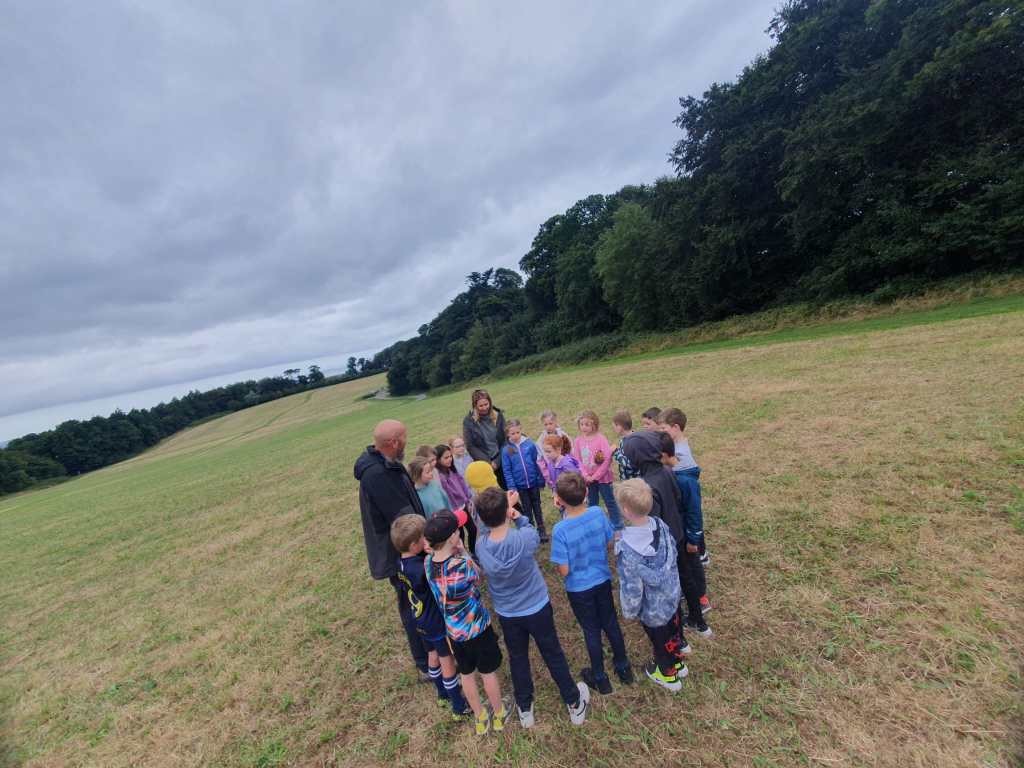
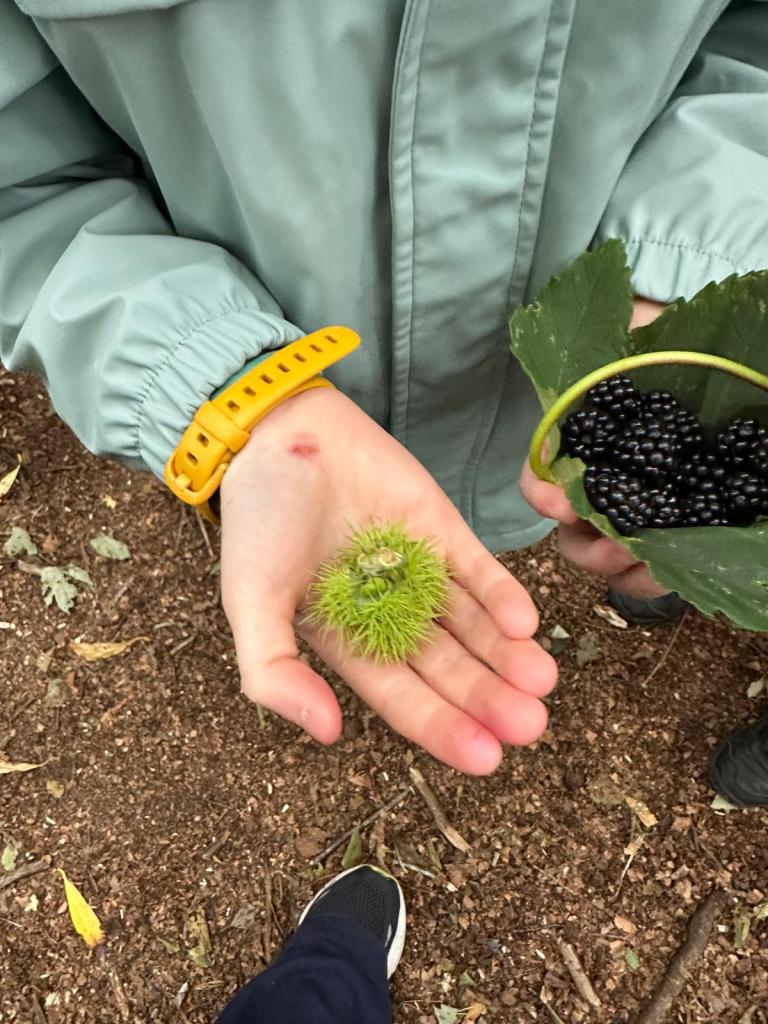
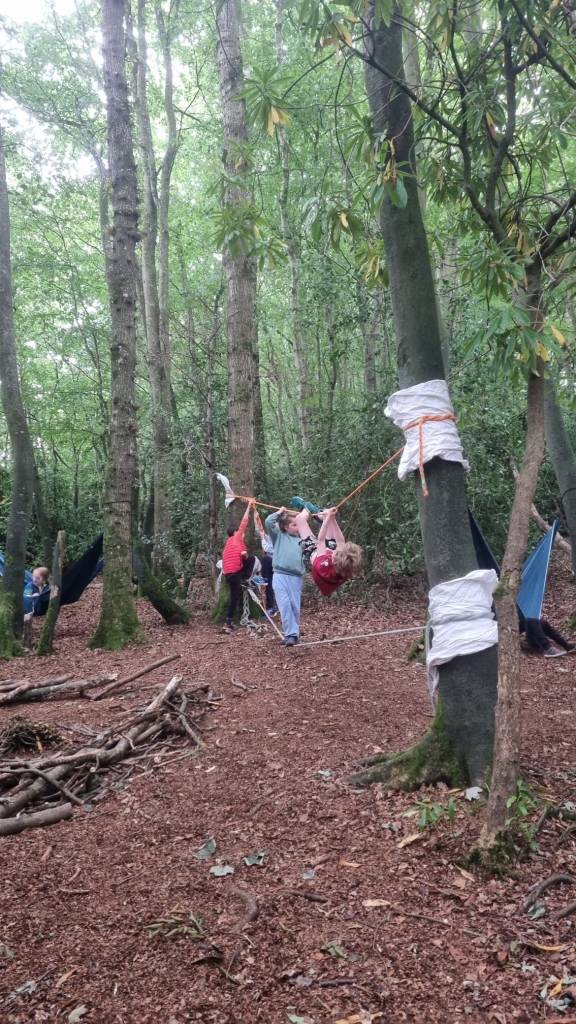
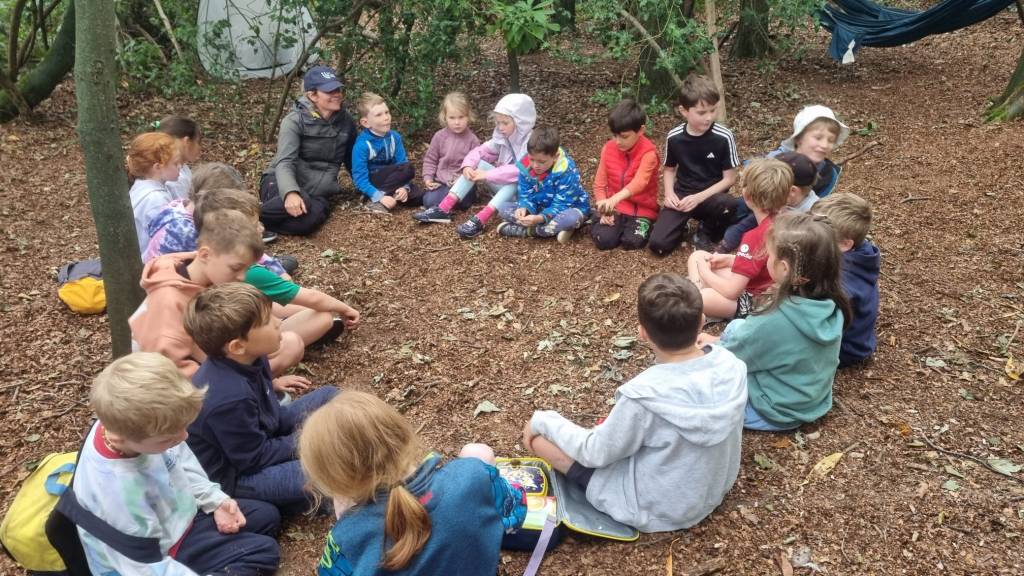
A Week of Outdoor Learning and Community Connections This August, Sustainable Skerries, with the generous support of Fingal County Council, were delighted to host a week-long Forest School in Ardgillan, delivered by Free Range Outdoor Education (www.froe.ie). The project gave 20 children aged 6-10 the chance to spend time outdoors in a non-competitive, non-pressured setting, exploring nature through play and creativity. Five Days of Forest Adventures From the very first morning, the group jumped straight into Ross and Miriam’s nature-based games and team activities and quickly found their rhythm in the forest. Over the course of the week the children painted rocks, explored plants, made sycamore boxes for collecting blackberries and tried their hand at safe foraging with Nettles and Alexander. They learned how to carve and sharpen tools, created bows and arrows and crafted forest treasures to take home. The games involved learning about native animals and wildlife and encouraged listening and cooperation. Plenty of time was spent climbing trees, building bases and enjoying the freedom of being outdoors together. The children showed wonderful enthusiasm and creativity throughout the week.
Local sustainability projects On the final day, attention turned from forest adventures to local biodiversity and community initiatives in Skerries. The children visited the Skerries Open Orchard at the Ballast Pit and St. Patrick’s Close, where Sabine McKenna explained how the project is helping to increase biodiversity and provide a shared resource for the town. Sarah-Jane Cullinane led a Council of All Beings workshop where the children created masks and took part in an imaginative, interactive ritual that gave voice to different creatures of the natural world.
Later, a walk to the seafront brought them to the South Beach with Miriam Sweeney, who introduced the group to practical community initiatives like the toy beach box and wetsuit swap shop, showing how small ideas can make a real difference in caring for our world. The week highlighted just how important and how joyful it is for children to spend extended time in nature. From games under the trees to learning about community-led projects, the Forest School experience combined outdoor fun with valuable lessons about friendship, imagination and sustainability. Sustainable Skerries would like to thank Fingal County Council for funding this project, Sustainable Skerries volunteers for giving so generously of their time and Free Range Outdoor Education (www.froe.ie) for their expert guidance and knowledge throughout the week. Most of all, thanks to the children, who embraced the adventure wholeheartedly bringing curiosity, big smiles and endless enthusiasm. Sustainable Skerries is a committee of The Skerries Community Association
This article appeared in the Skerries News, our beloved local publication.
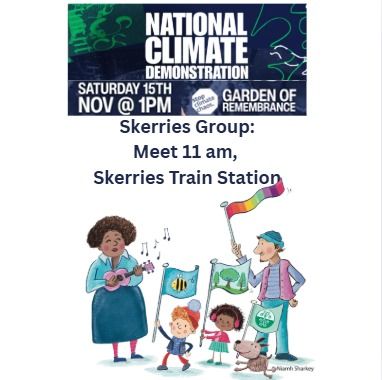
Skerries Group for National Climate March: Sat 15 November Meet at Skerries Train Station, 11 am (Train departs 11.10 am) Let’s make this our biggest turnout yet!
THIS IS IMPORTANT. Warm days in November. No rain for weeks. Sudden downpours. Stronger winds than we used to get. News from across the world of hurricanes and droughts. The climate is already changing — and we’re worried about the future.
Our government needs to hear that loud and clear. To hear our demand: Stop fossil fuels now!
We’re inviting all groups and individuals in Skerries to join the Skerries group for the National Climate March in Dublin on Saturday 15 November 2025.
We’ll meet at Skerries Train Station at 11 am to catch the 11.10 am train, arriving in good time for the start of the march at the Garden of Remembrance.
Why?
Because politicians find it too easy to say there’s no real public interest in climate issues anymore.
Because COP 30 is too big an opportunity for the world to miss.
Because those politicians who do want to act on climate need to be able to point to us and say: Yes, the people care.
Who?
Everyone who feels it’s important to do something about climate change and who can make it on the day.
Wouldn’t it be great to see all sorts of Skerries people – individuals, families, groups of friends, sports teams, clubs, committees, and associations march together?
Bring your own or your group’s banners, flags, T-shirts, and energy! Instruments welcome, too…
Maybe you’d like to create new banners for the day… whatever you choose, let’s make sure Skerries is seen and heard!
Details for Sat 15 November 2025:
Meet: Skerries Railway Station, 11 am (Train departs 11.10 am)
In Dublin: Quick coffee from around 12 noon at Caffeine 19, Denmark Street (space and time allowing; bring keep cups!)
The March: Join the main gathering at the Garden of Remembrance (1 pm). If possible, the Skerries group will assemble close to Findlater’s Church on the North-Eastern corner of the Garden so if you’re travelling in independently, come find us there!
After the march, which we assume will end between 3 and 4 pm near Leinster House, there are trains back to Skerries from Pearse Station roughly every 30 minutes. We’ll all make our own ways back.
Background: The march is organised by the Stop Climate Action alliance (Trócaire, Friends of the Earth Ireland, Oxfam Ireland and many others) and will take us to Leinster House. It is happening before the backdrop of COP 30.
Oxfam, part of the organising team, say:
On 15 November all around the world, people will flood the streets of capitals to demand an end to the era of fossil fuels. COP30 in Brazil must be a turning point – 10 years on since Paris, our leaders have to act. We will take to the streets of Dublin in our thousands to march in solidarity, and demand faster and fairer climate action from our government.
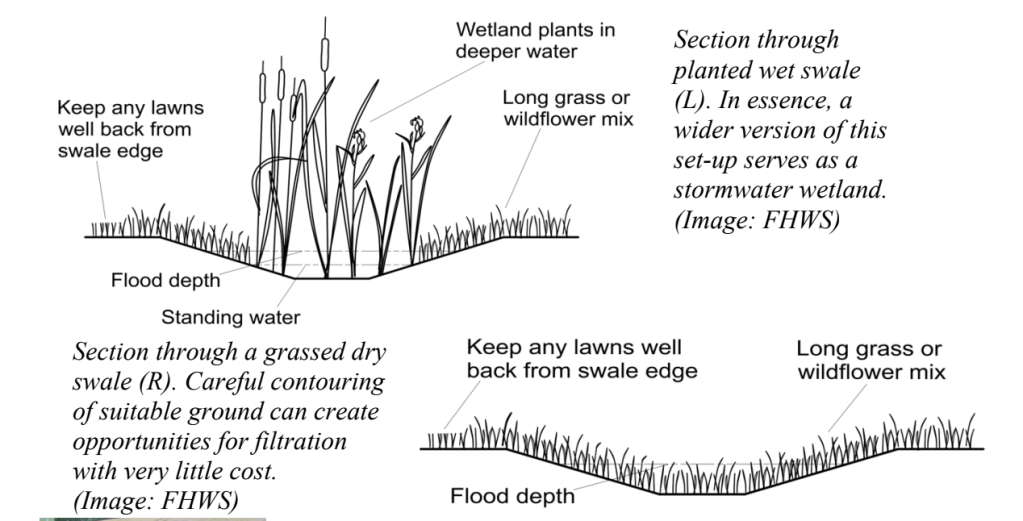
Last year, thanks to funding from LAWPRO, we designed a bespoke project for water quality and biodiversity in Skerries. We commissioned a report from writer & environmental consultant Féidhlim Harty. He joined us in Skerries and identified a number of areas where we could use nature-based solutions to help ease localised flooding, to enhance biodiversity and to improve water quality in the stream and at the beaches. As we’re lucky enough to be beside the seaside, and have a stream, there are a number of interesting options. Another area which we can address is places in Skerries which flood after heavy rain. Things like SUDS & swales can really help with that and at the same time provide food and habitat for insects and other creatures. There’s more information about those and other possible measures info in Feidhlim’s report, which you can access via our Plans for Skerriespage.
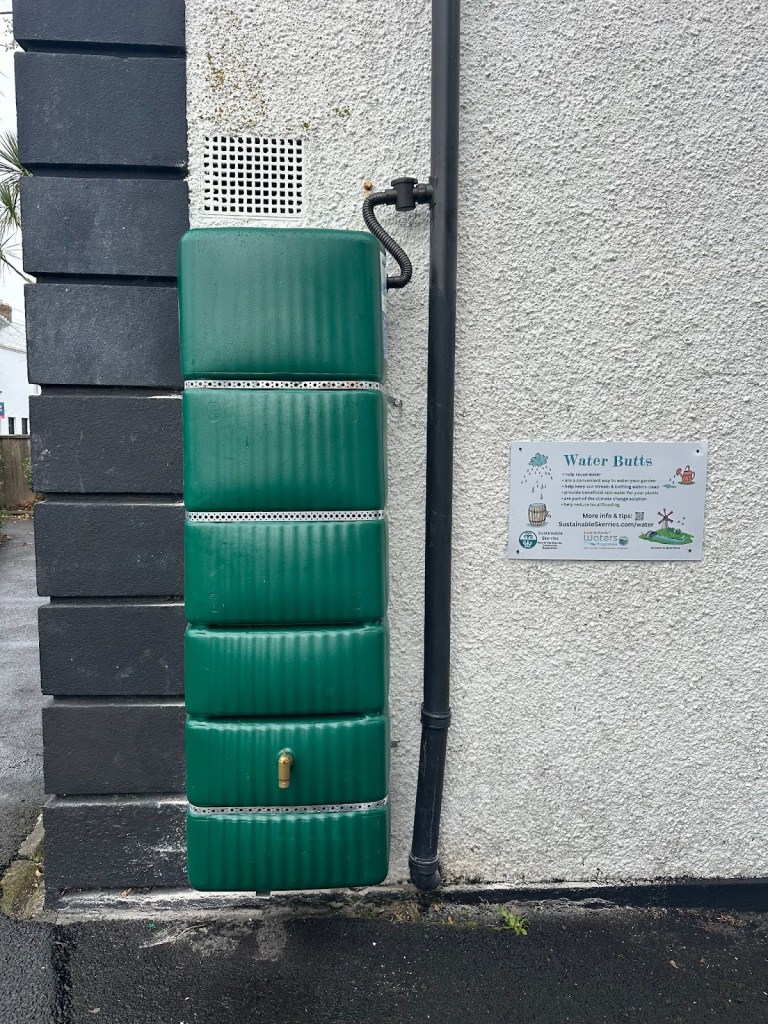
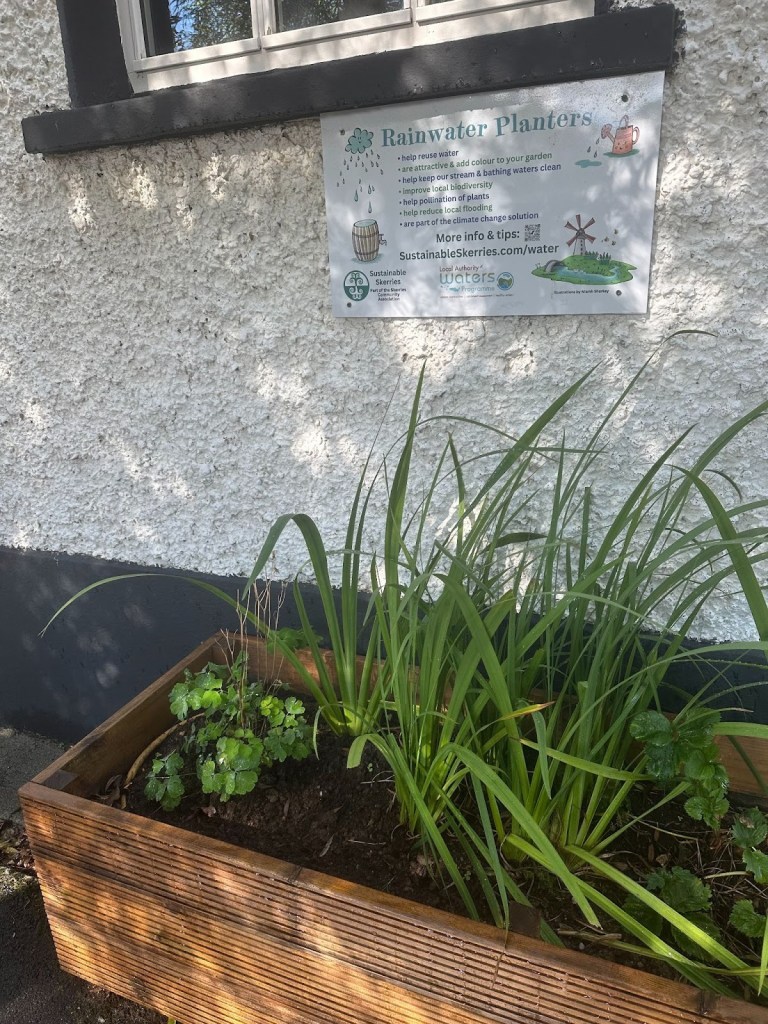
We installed a water butt and a rain planter at the Community Centre. Both these measures help slow water reaching the drains during heavy rainfall. If enough people take similar measures, we’d have fewer “No Swim” notices after storms, & cleaner water at our beaches.
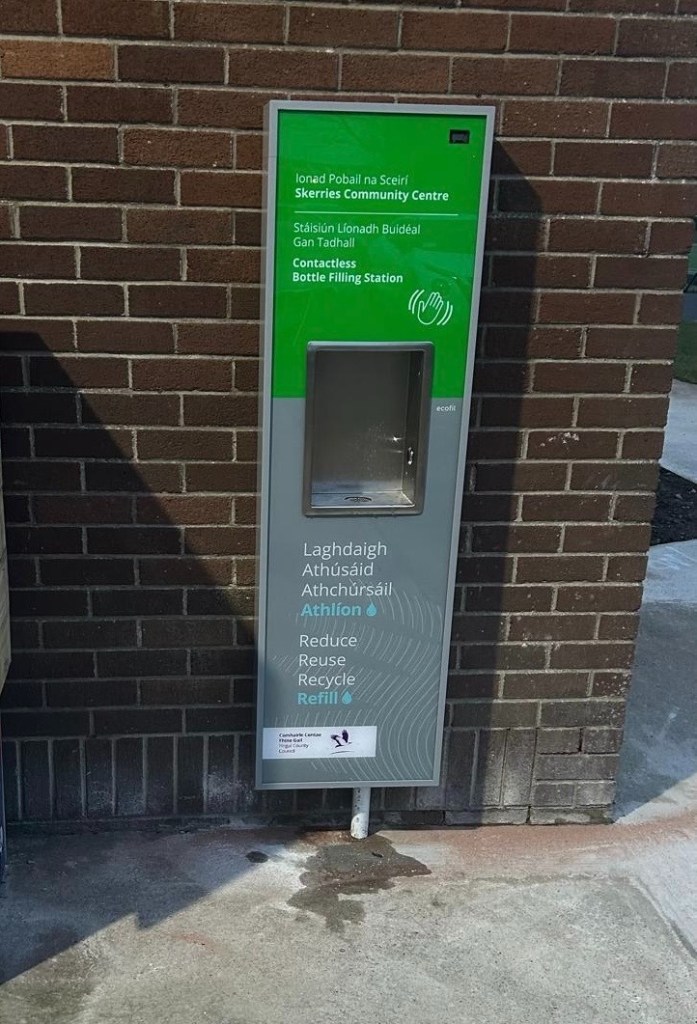
Check out the water butt, rainwater planter & water refill station at the Community Centre
We requested that Fingal County Council install 2 water refill stations in Skerries at the Community Centre and beside the playground at Skerries Mills. These help people avoid single-use plastics. The refill station at the Community Centre has dispensed over 35,000 bottles worth of water to date. In Fingal, that’s second only to the one in Ardgillan.
More info on YouTube
Féidhlim’s report is very detailed and specific. For a quicker overview of why the measures are so useful and so needed in places like Skerries, we recommend taking a look at our videos of Féidhlim speaking at the 2024 Skerries Eco Festival. A good place to start is this short taster video of the walk & talk Féidhlim gave. There are a number of fascinating longer videos of Féidhlim’s talks, once we’ve whet your appetite: the Skerries walk & talk, and his talk “Nurturing the Miracle” which highlighted how water is a crucial part of the solution to the twin crises of climate change and biodiversity decline.
Recognition from An Taisce and The Irish Times
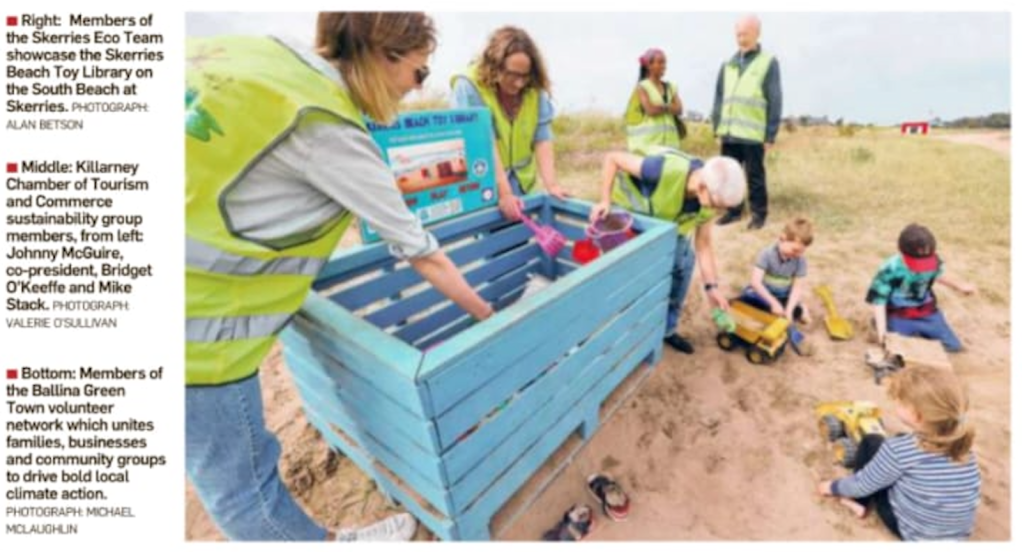
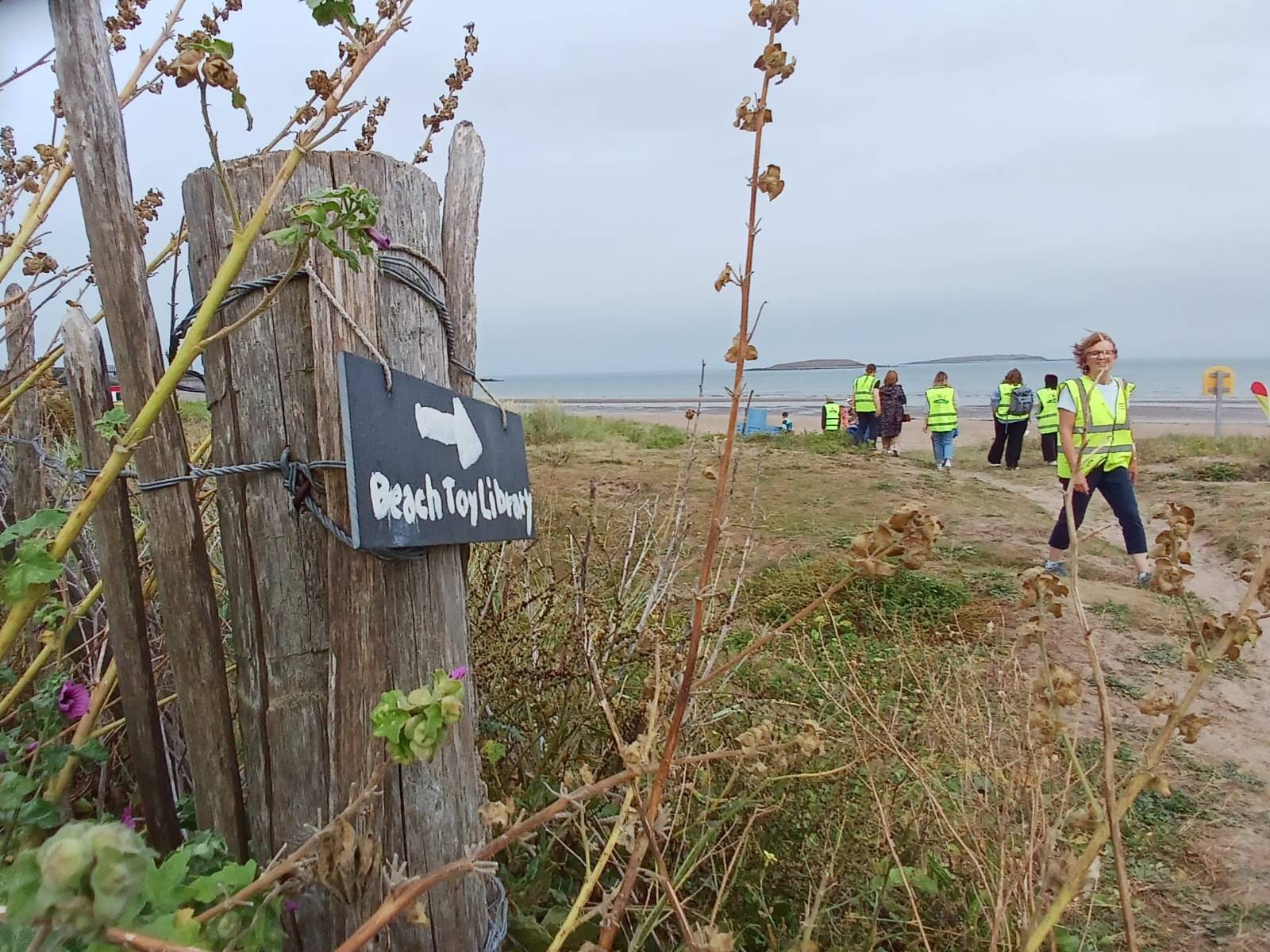
As well as providing hours of fun for Skerries beachgoers, our Beach Toy Library helps keep plastic pollution out of the sea and off the beach. Skerries scored a special mention in An Taisce’s recent IBAL report and we were delighted that press coverage picked up on their mention of our Beach toy library. Thanks again to Skerries Men’s Shed for building us a new sturdy box this year. It will be retired soon for Autumn/Winter, but back for more fun & games next year when the weather improves.
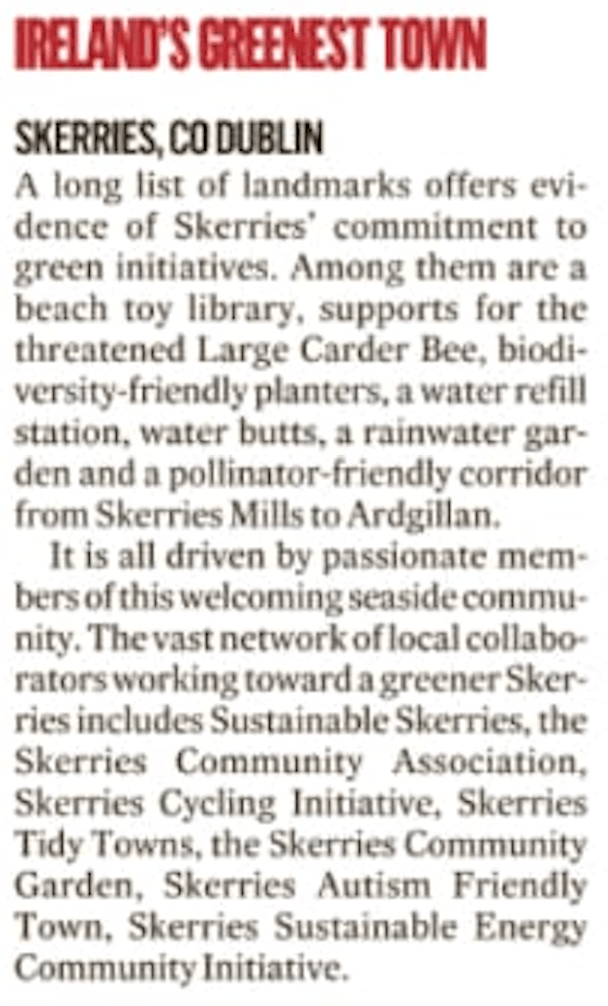
We were very proud to win Irish Times Greenest Place competition as Ireland’s Greenest Town, & delighted that the Beach Toy Library, plus our other water measures were singled out for praise.
The very popular Beach Toy Library saves plastic from ending up in the sea
Our Plans
We are working with the Community Centre on progressing one of Féidhlim’s recommendations. Watch this space!
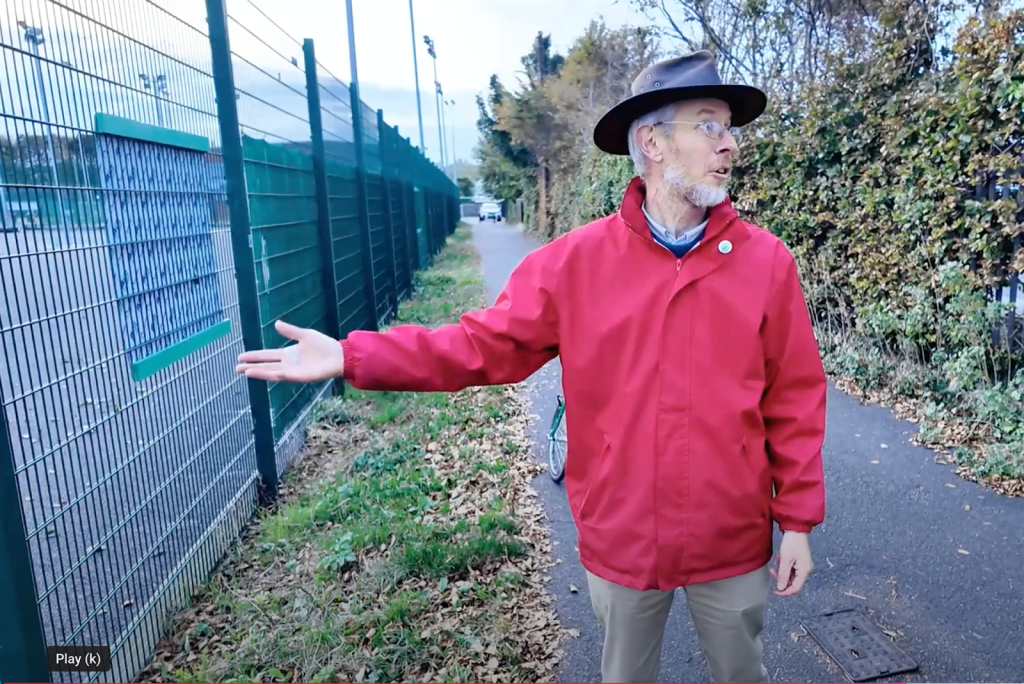
Drainage of the tennis courts could be future-proofed with swales
We’ve also requested that Fingal County Council repair the fence on the South Strand which protects the marram grass and asked them to use signage & other communications to raise awareness of why we should protect it.
We recently contacted our local representatives to ask them to push the government to enact the Marine Protected Areas Bill.
Other Skerries water news
We were pleased to see that Fingal’s plans for Red Island and Harbour road include permeable parkings spaces, SUDS & tree pits. Fingal’s plans for the grass between the Community Centre & the Mills swales. You can see them in the reception of the Communty Centre.
SUDS on Red Island will increase biodiversity & help keep the paths dry
Get involved
We hope this will inspire some of you to take action. We recorded a really useful online webinar where Féidhlim gave very practical advice about small projects we can do in our own gardens. If you like the rainwater planter at the Community Centre, we used this beautiful & easy to follow guide to design it. The plants we used in ours are thriving a year later. They were chosen to be resilient in dry weather (they’ve never been watered) and also do a great job of soaking up water after heavy rain. They are also pollinator friendly. We used Yellow Flag Iris & Aquilegia, but there are loads of other suitable plants. We’ve compiled a list at the bottom of this page, based on an info sheet you can find here.
If you have any idea, or would like to help us do more, get in touch: sustskerries@gmail.com
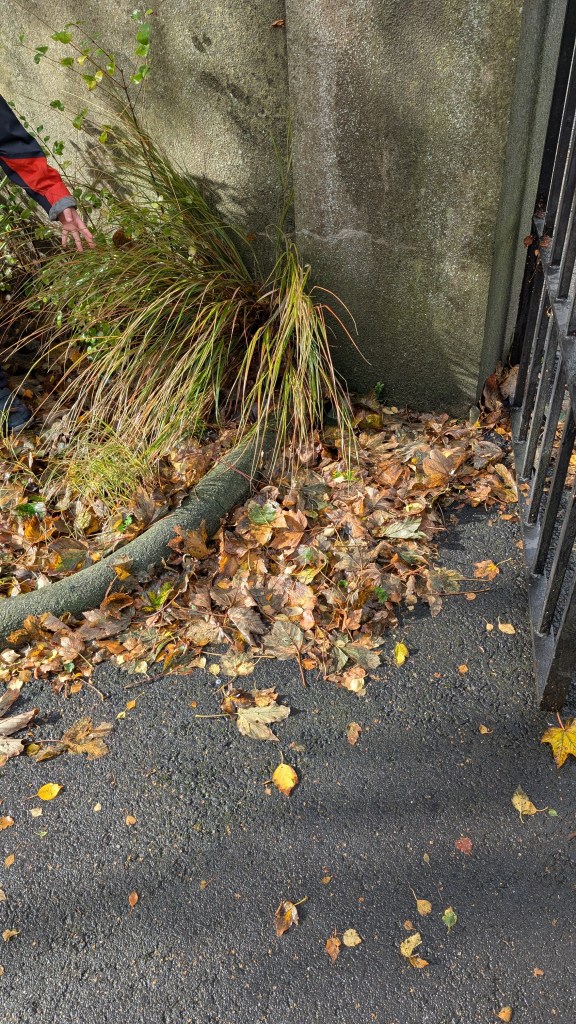
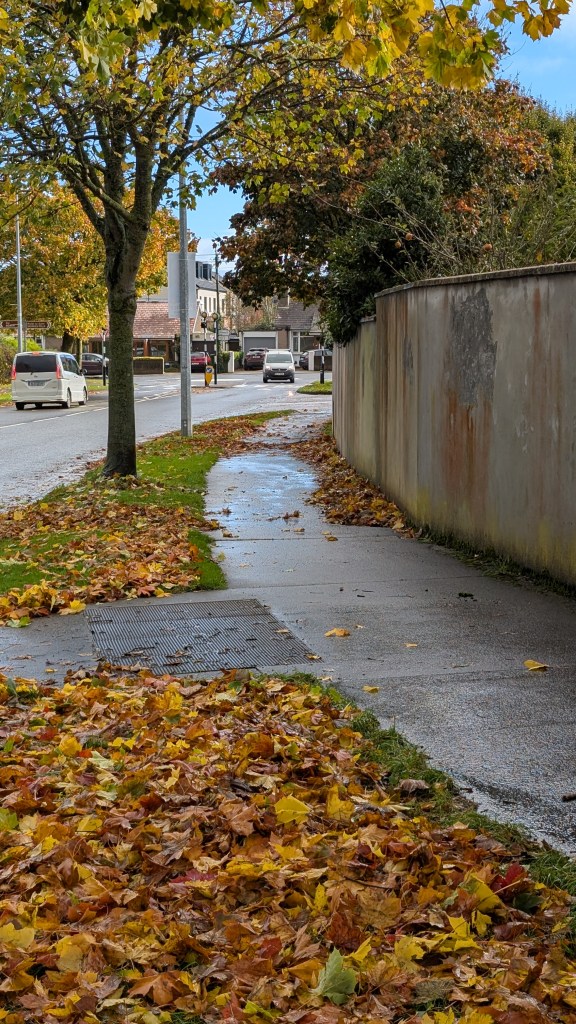
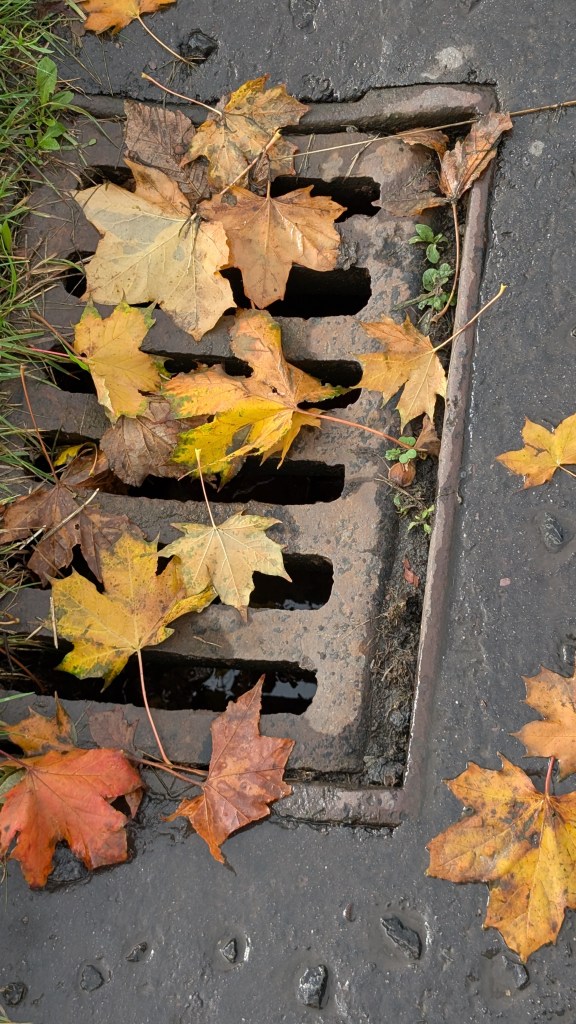
After the recent wind and rain, Skerries is covered in a thick, colourful carpet of fallen leaves. They look beautiful, but once they land on our paths, streets, roads, and in gutters, they can quickly turn from autumn glory to slippery hazard. Wet leaves make footpaths dangerous and can block drains, and we have all seen how they can lead to flooding, especially with the heavier rainfall we’re now experiencing. Fingal County Council do send road sweepers round, but that is not enough….
So what’s the most sustainable way to deal with all those leaves? The answer depends on where they are.
Leave the leaves — where it helps nature
If the leaves are in your flowerbeds, under shrubs, or on your vegetable patch, leave them there! They’ll protect the soil from winter rain, keep roots cosy, and feed the worms and insects that make our gardens thrive. Nature designed this system perfectly — no raking needed. With one exception: If there is a thick layer of wet leaves on a lawn or path, do remove them, as they can smother grass or become slippery.
Collect and compost — where they cause problems
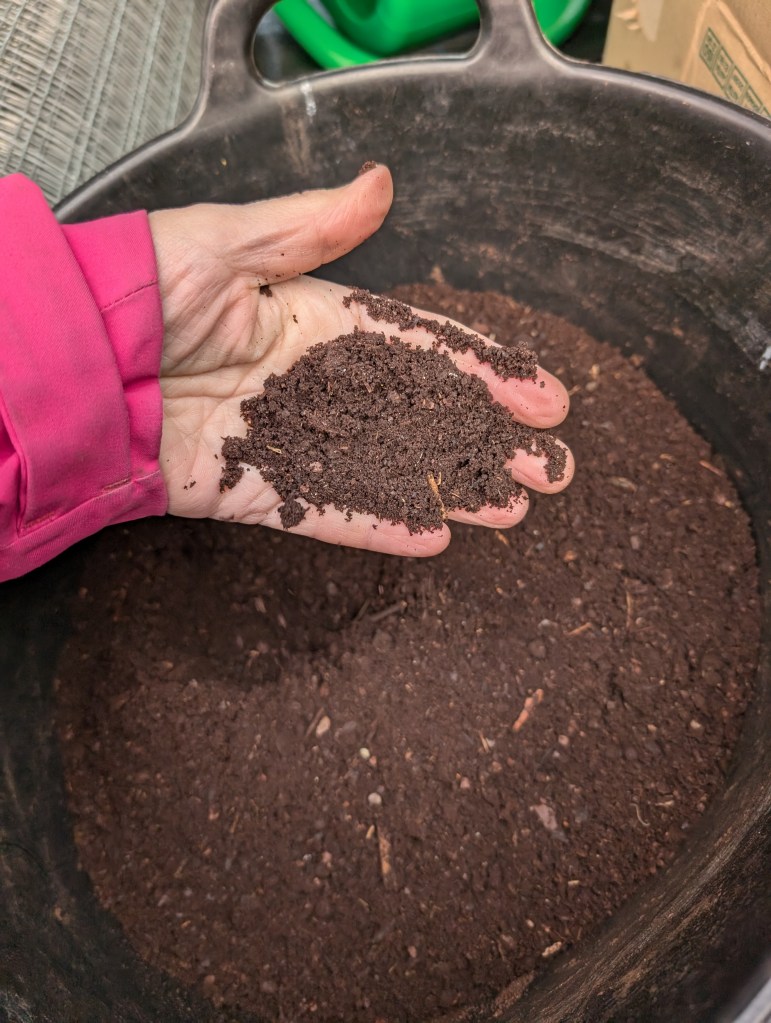
Leaves swept from paths, pavements, or roadsides can be turned into leaf mould — a dark, crumbly soil improver that enriches our gardens and reduces waste.
But don’t put them in your normal compost heap: they take too long to break down. Your brown bin isn’t a good choice either, really, as they can fill up bins quickly.
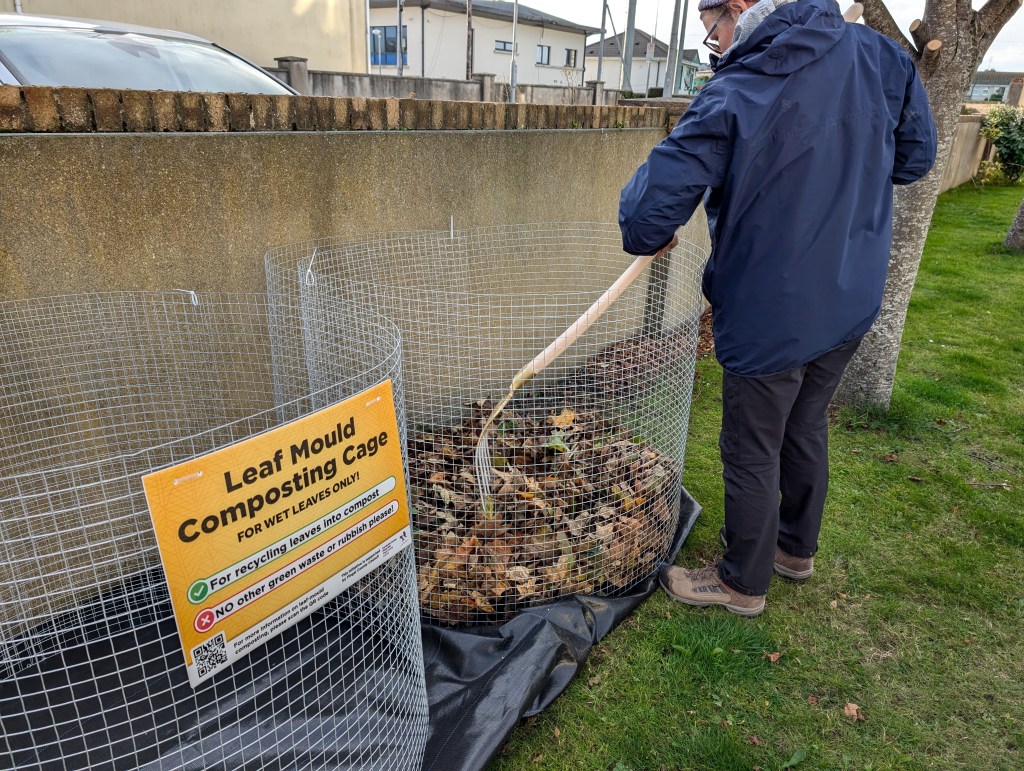
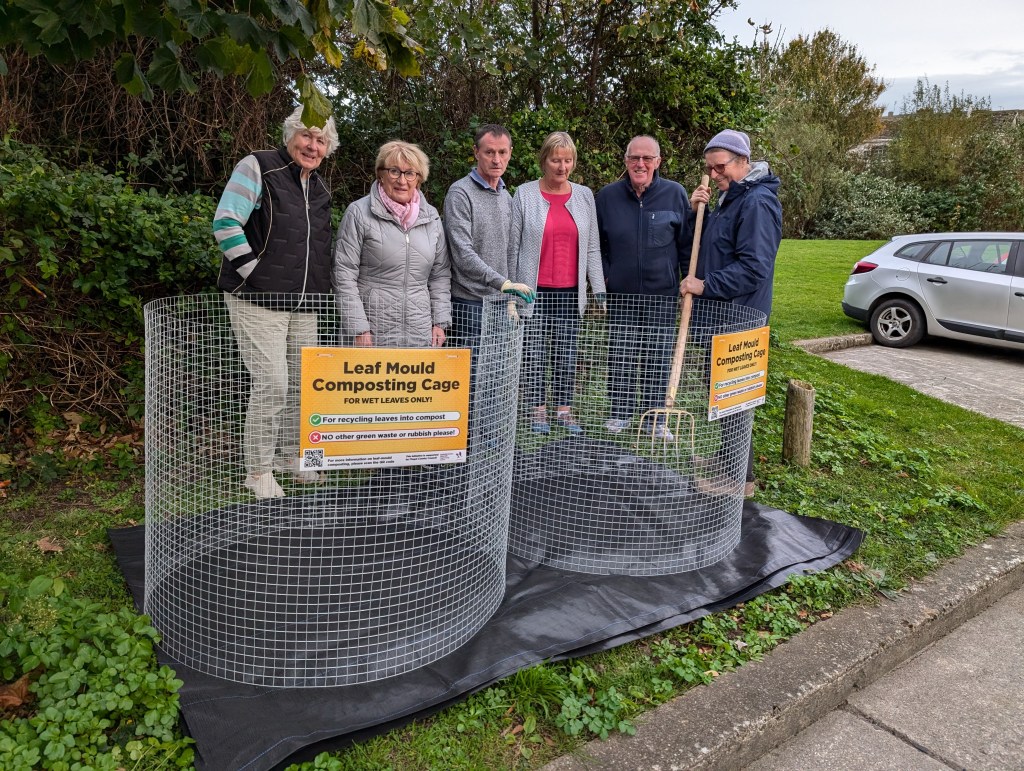
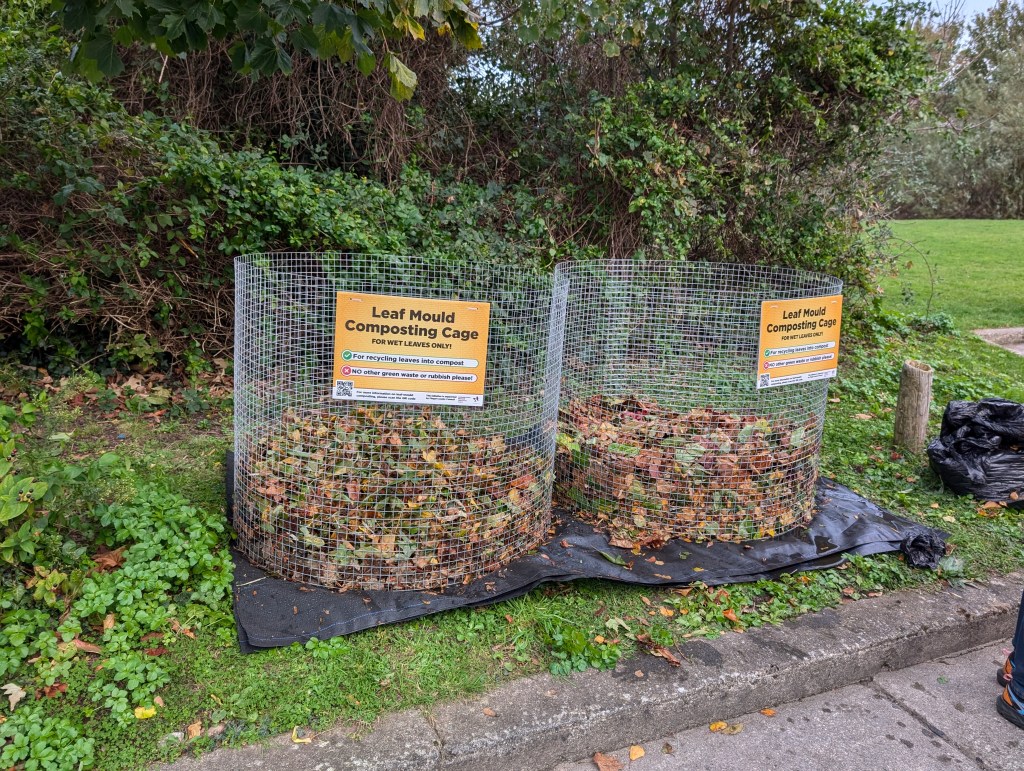
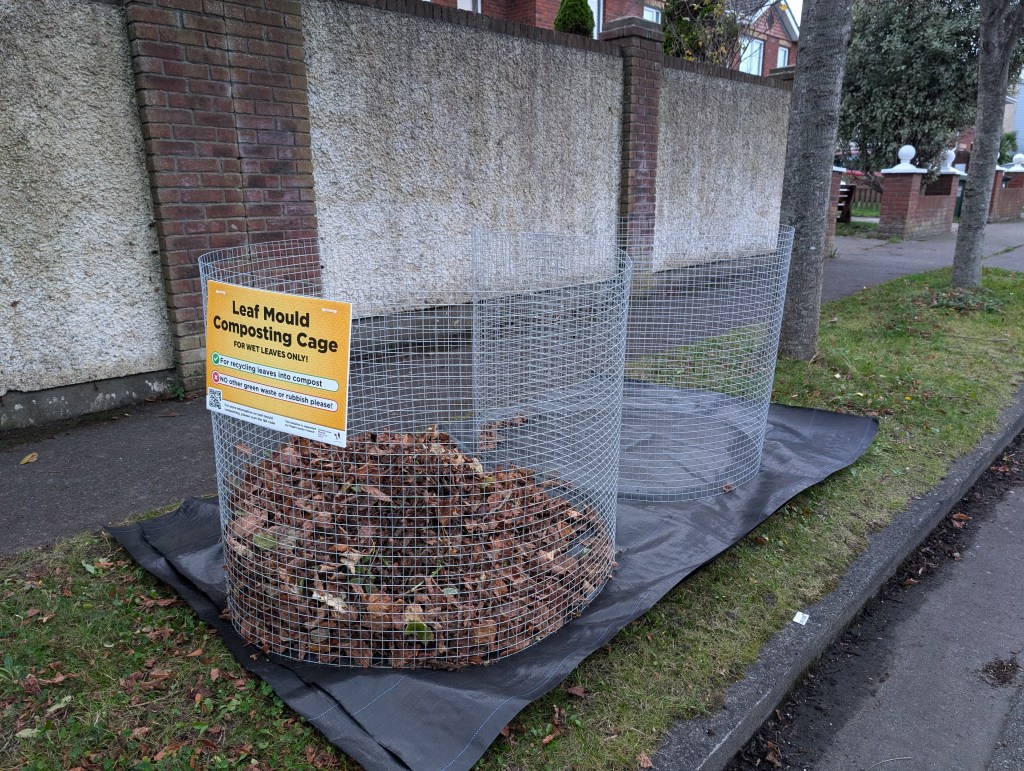
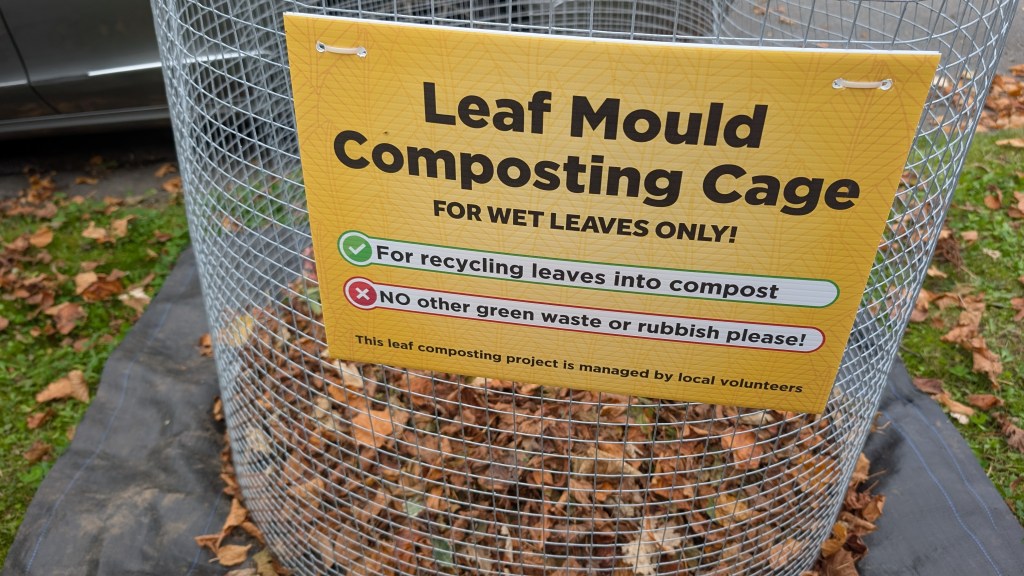
Instead, you could bring them to a local leaf mould composting cage, if there is one nearby.
These cages are part of Fingal County Council’s Community Leaf Mould Composting Project, which helps neighbourhoods all over Fingal turn a waste problem into a valuable resource.
The council provides free wire cages, watering cans, and pitchforks, plus training and site visits to help communities get started. Here in Skerries, this project is coordinated by the Skerries Neighbourhoods Network (an initiative of the Skerries Community Association – see skerriesca.com/neighbourhoods).
If you’d like one in your area, please contact the network by email: network@skerriesca.com – this year, the deadline Fingal had set for new cages was 28 September, but their contractor, Craig, says there may be some available for a couple of extra Skerries locations in mid November.
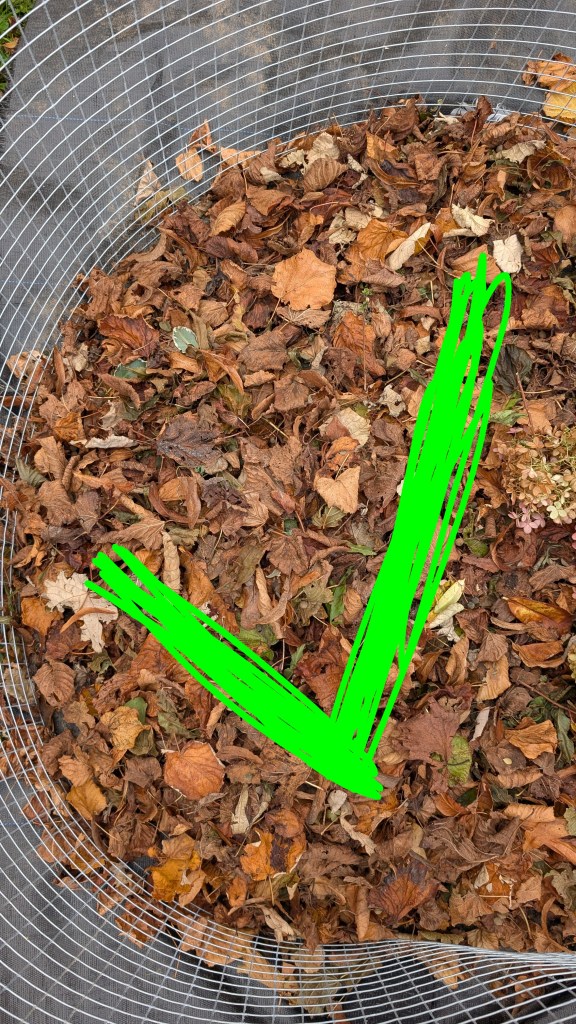
At the moment, there are cages in Kelly’s Bay Rocks, Skerries Rock The Crescent, Greenlawns, The Haven and Downside. You will know them by
How to use the Leaf Mould Cages
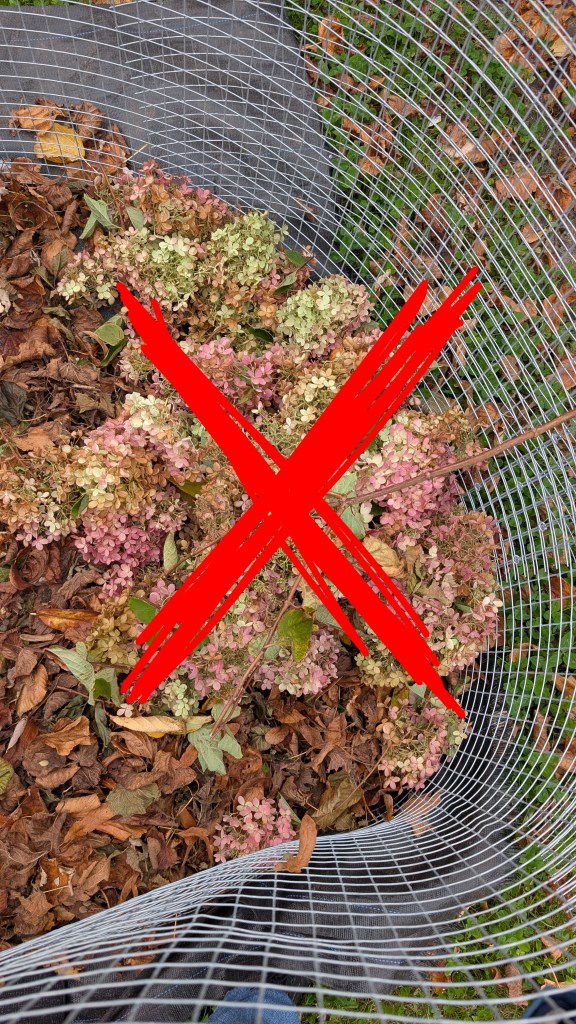
Use the cages for wet deciduous leaves only. No branches, grass cuttings, or other green waste, please.
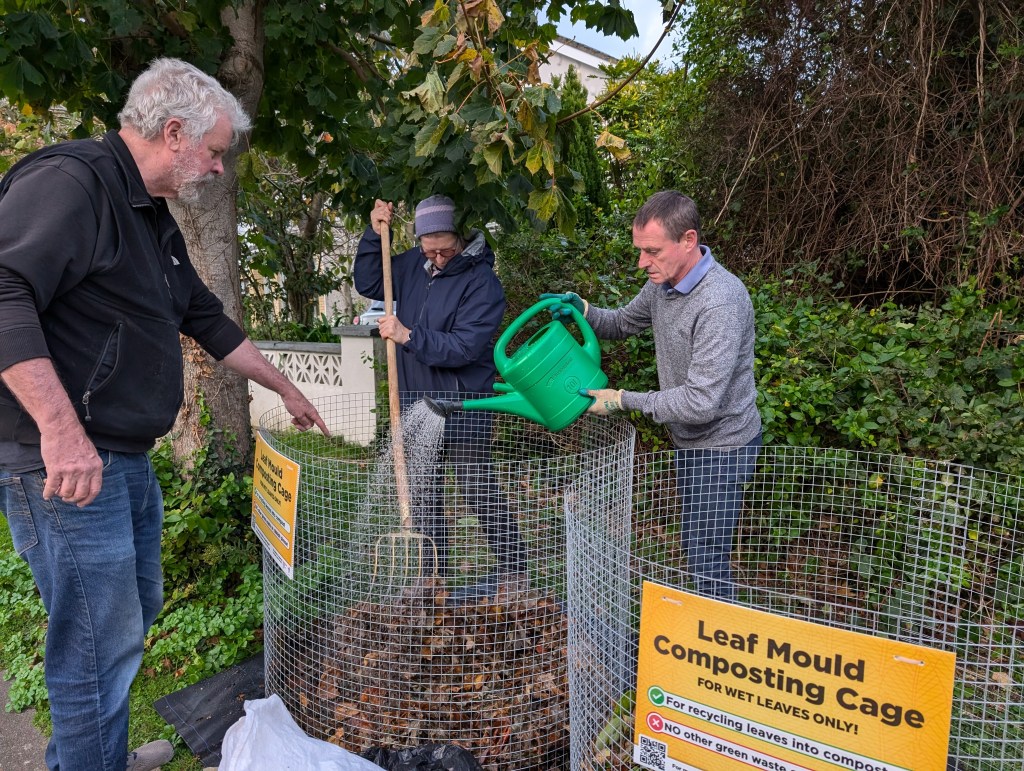
Keep the leaves damp. Sprinkle them with water if they’re dry — moisture is essential.
Stir it up! The pitchforks provided by the Fingal Leaf Mould Project help in doing that.
If there’s no cage nearby, collect your leaves in black plastic sacks or old compost bags, make a few holes in the sides, add a little water, and leave them in a corner for a year or two. The result: rich, weed-free leaf mould for your garden. This is also a great way to store leaves while waiting for a leaf mould cage!
Actually, that question is wrong – it should read: Who does it take to make Skerries one of the greenest places in Ireland?
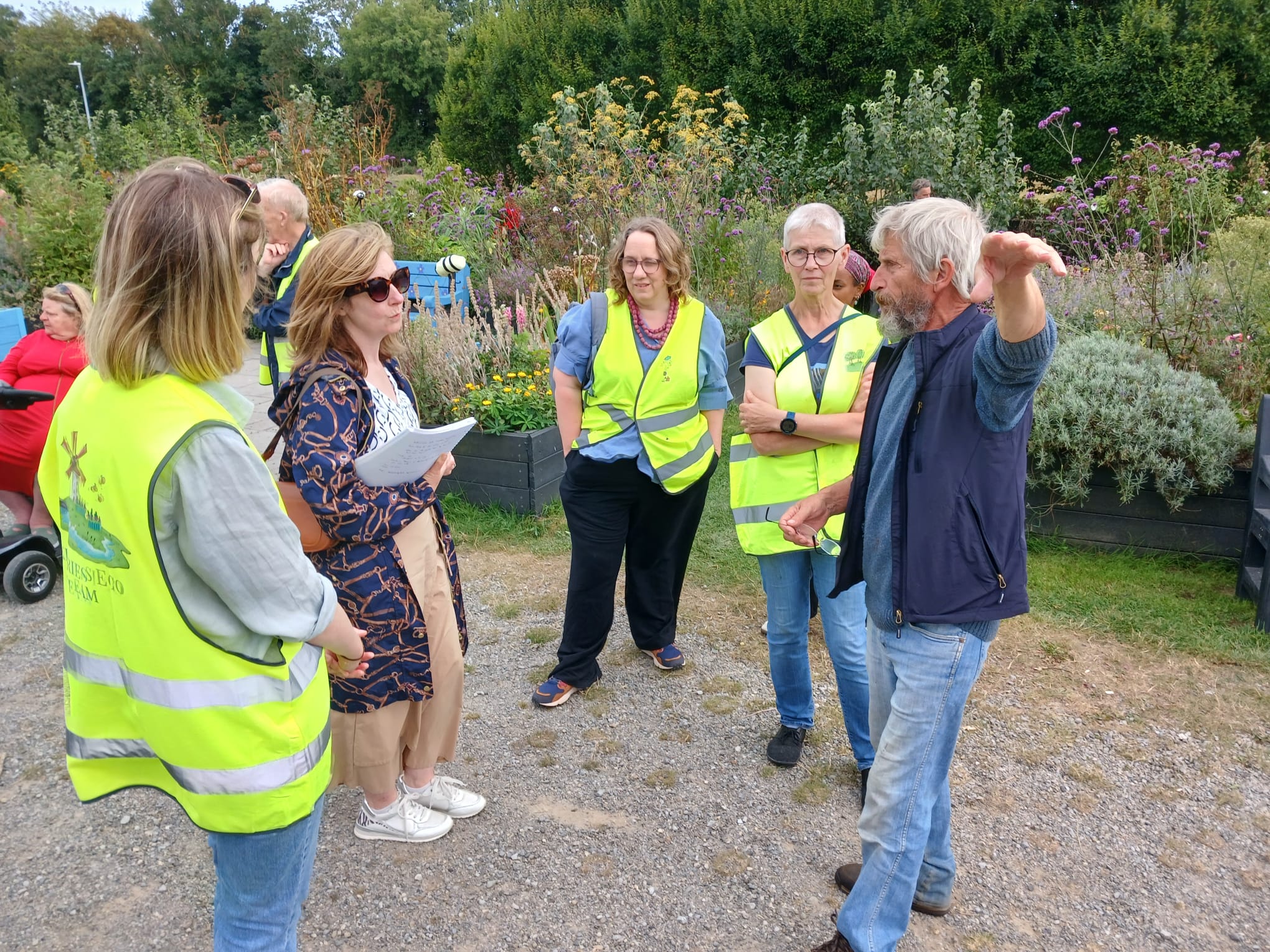
And the answer is: Katie. Helen. Michael. Breda Sh. Breda N. Mary. Eamonn. Mags. John. Máire. Hans. Sara. Sabine. Charlie. Miriam. And those are only the ones who were actually around today to meet Mary Minehan, The Irish Times Features Editor and one of the Ireland’s Greenest Places judges. She was joined later on by photographer Alan Betson. And the aforementioned Skerries people met them in various locations for an extended show-and-tell…
And we realised: There is actually a lot in Skerries to give us hope in these uncertain times! Becoming active, doing something – together with dozens of others in our various groups – helps all of us. As Hans put it so eloquently (I paraphrase), doing something eco-friendly at home is all very well, but doing it with others and spreading the word can have a much, much bigger impact.
The groups include (but are not limited to): Sustainable Skerries, the Skerries Community Association, Skerries Cycling Initiative, Skerries Tidy Towns, the Skerries Community Garden, Skerries Autism Friendly Town, Skerries Sustainable Energy Community Initiative etc etc etc
And so we showed off our community centre with its Skerries Community Association wall design, biodiversity-friendly planters, water refill station, bike stands, mini bee garden, water butt, rainwater garden and of course the Skerries Eco Town wall. And we gave Mary a copy of the wonderful Skerries Eco Town Booklet. We talked about water management and climate policy and hope and bees.
We showed her the pollinator-friendly corridor, all the way from Skerries Mills to Ardgillan (and from Skerries Mills via the allotments to the South Strand). And the wonderful flower beds Tidy Towns are maintaining everywhere.
We stopped at the Kelly’s Bay Open Orchard and explained about our 150 fruit trees in 14 mini orchards. The pears are just one week or so away from being ripe, pity… and the plums are all gone… it still looked good!
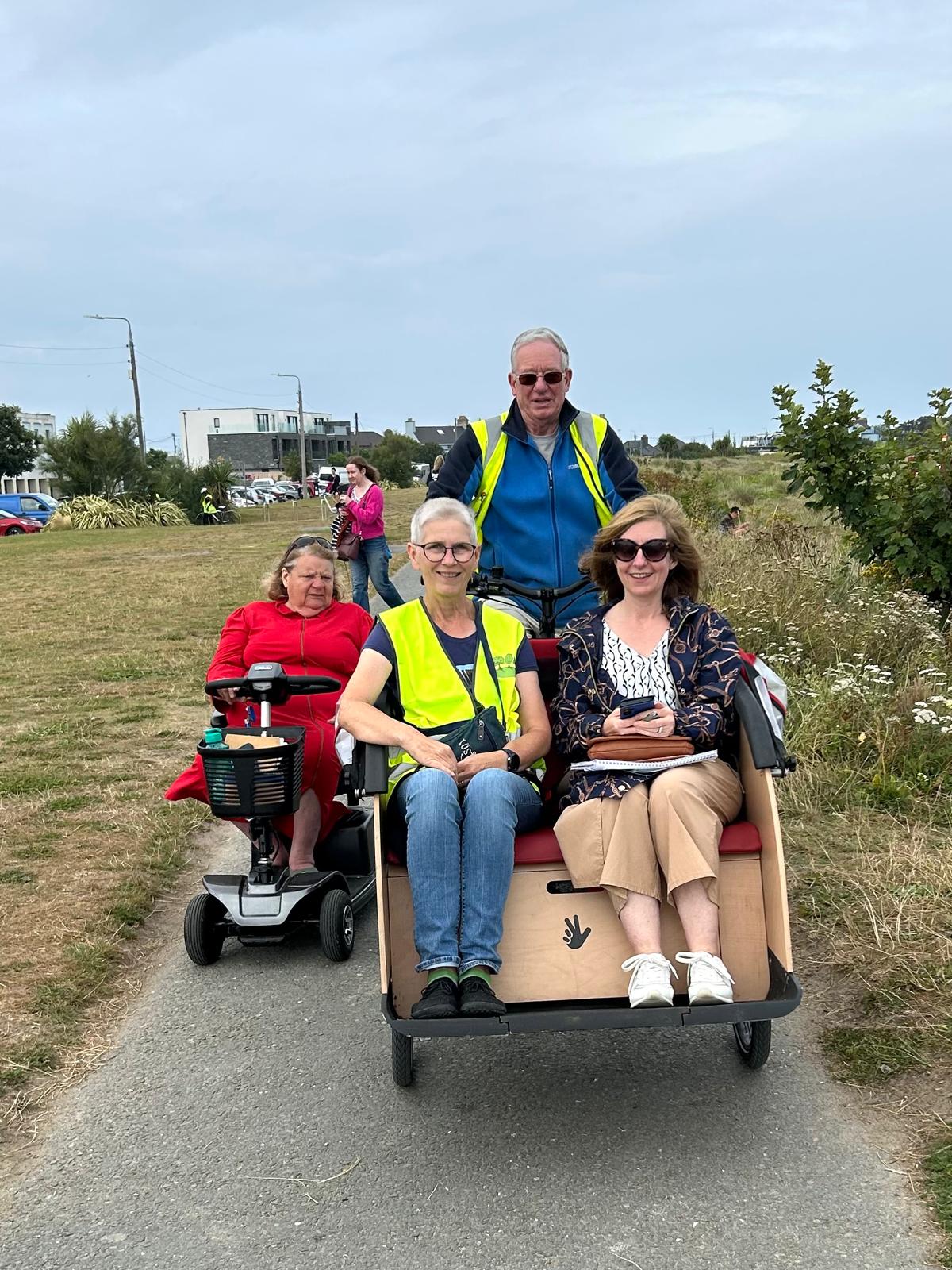
We showed Mary and Alan (who joined us there) the beach toy library, talked some more about pollinators and met the Cycling Without Age Trishaw. Currachaí na Sceirí were mentioned and their litter-picking expeditions to the islands off our shore. And of course Foróige and the Skerries Men’s Shed, who both helped with the beach toy library.
We showed off Floraville and the sensory garden, that lovely oasis we owe Skerries Autism Friendly Town big thanks for. We explained about our work regarding consultations and submissions. About how we’re trying to reach people through our Instagram and YouTube channels.
We talked about the library and our hopes for repair cafés there in the future. And about the next big thing Skerries Tidy Towns are doing: The unveiling of a of a fabulous Mosaic in Floraville to celebrate the groundbreaking Supreme Court victory in December 1973, of Skerries woman Mary (May) McGee, which effectively legalized the sale and importation of contraceptives. What, you haven’t heard of that? It will be unveiled next Saturday, 30 August, 2 pm, and you’re all invited!
We probably mentioned more things than we should have in the 140 minutes The Irish Times spent with us… including all the Tidy Towns activities including their many cooperations with clubs and especially schools, a lot about active travel, more about pollinators (would you believe that we had The Irish Times actively hunting for the Large Carder Bee before the afternoon was over?!), the Community Garden, which we was looking really well (of course!).
And then it was way after 4 pm and we had to call it a day.
Will we be the greenest town in Ireland, according to The Irish Times? Maybe. Maybe not.
But we do think that we are making a difference, all these people who are active, and I’m sure I’ve forgotten half of the things we showed and mentioned and referred to. Such is life. It was fun – whatever the result, thank you for visiting, Alan and Mary! Actually, let me rephrase that: Even if we don’t win, thank you for visiting! But we would prefer to come first, to be honest...
Sustainable Skerries is inviting everybody in Skerries to enter the third Skerries Eco Fest Photo Challenge!
Deadline 31 July 2025.
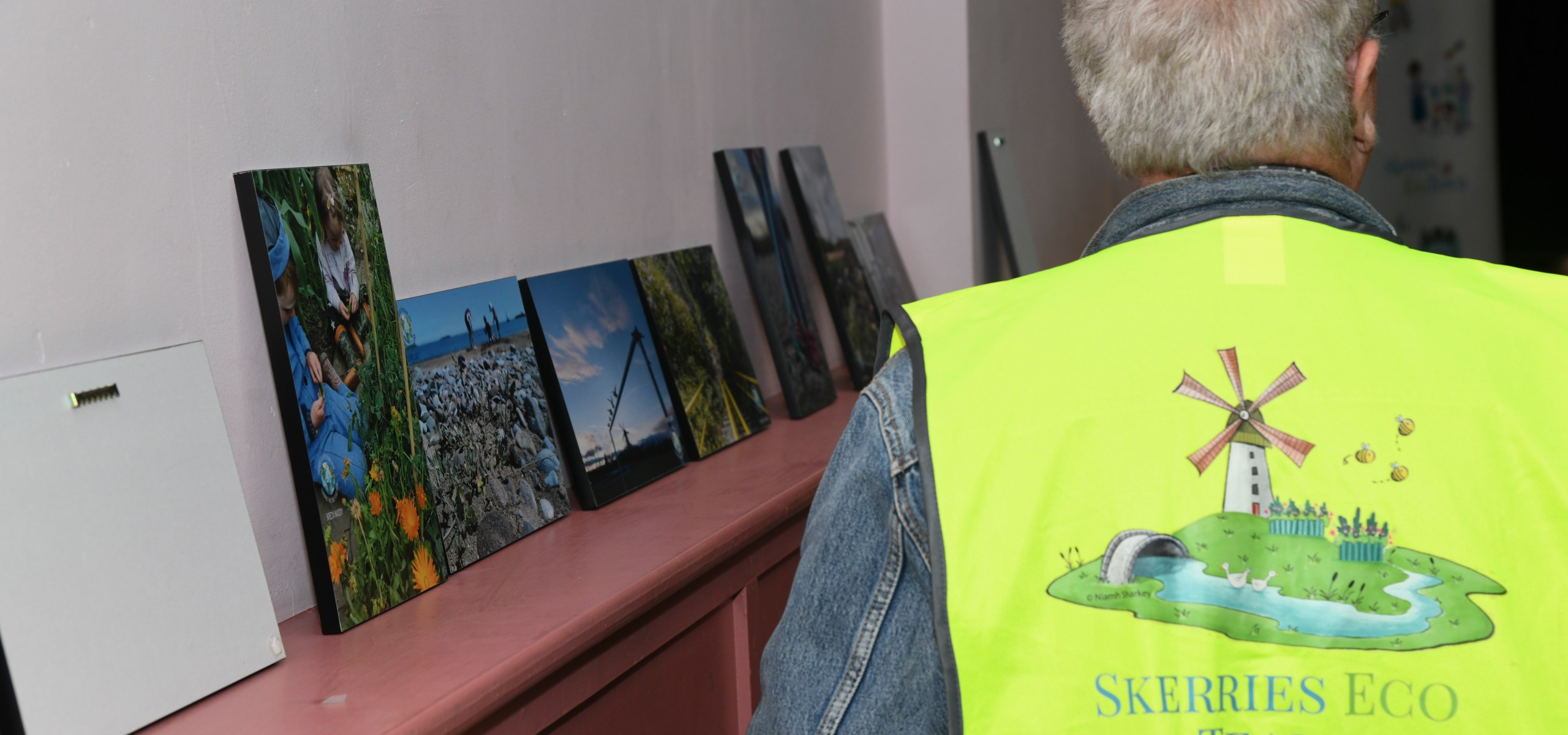
And just like in previous years, we will select between 10 and 20 pictures to form the Skerries Eco Festival Photo Exhibition, on view from 23 September in Skerries Mills.
Naturally the focus will be on what is happening in the town to “lighten” its carbon and biodiversity footprint and to raise awareness about environmental challenges. Within this general guideline you are free to capture and submit any image you wish. Below are some possible topics to help you to focus. We are delighted to have local professional photographer and videographer Mark Broderick as our judge. Mark will select between ten and twenty images from all entries, which will be printed in A4 and exhibited in Skerries Mills from 23 September on for ten days, after which they will be presented to the photographers. Possible topics include:
Local Biodiversity – Highlight bees, birds, hedgehogs, or other wildlife thriving in eco-friendly spaces.
Getting Around Greener – Photos of walking, cycling, e-scooters, public transport.
Greener Energy- solar panels, solar-powered amenities…
Before-and-after shots of restored, repurposed or waste-avoiding initiatives, biodiversity corners etc. (please create a collage of 2-4 images in one picture for these )
Small Footprint Living – Passive houses, reusing material, water saving, insulation work, clothes drying outdoors….
The rules:
Photos – up to three from each entrant – must have been taken in 2024 or 2025.
Please note: If your photo features people, make sure you have received their permission to be photographed. (For guidance on this issue, visit dataprotection.ie)
Images must be emailed to sustskerries@gmail.com by 31 July 2025.
Important: To be printed successfully an image file must be at least 2MB in size. (Images that have been uploaded to WhatsApp at any stage are reduced in size and while they may look good on screen will not be suitable for printing.)
Best of luck. Remember: Deadline for submitting entries is 31 July 2025. Send your email to sustskerries@gmail.com Max of 3 entries per photographer. If you send us your pictures, you agree to allow us to use them online and in print, with acknowledgment of the photographer. (Thank you!)
We are grateful to the Progressive Credit Union for sponsoring this year’s Skerries Eco Festival Photo Challenge.
Our friends of the Wild Bee Festival had their fourth such festival in June 2025, and our committee member Hans Zomer put together a wonderful article plus a couple of short films, which we happily added to our YouTube channel, as it’s worth spreading what they are saying! Here is Hans’ article, a version of which was published in the latest edition of Skerries News.
Skerries Wild Bee Festival: A buzzing celebration of nature and community
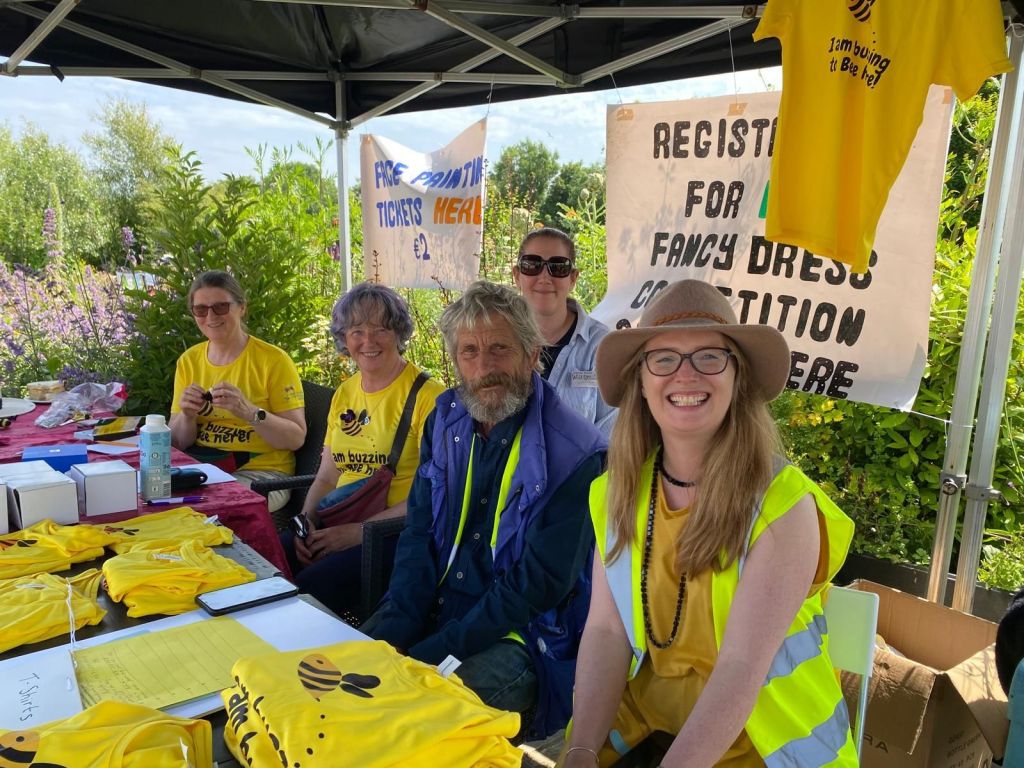
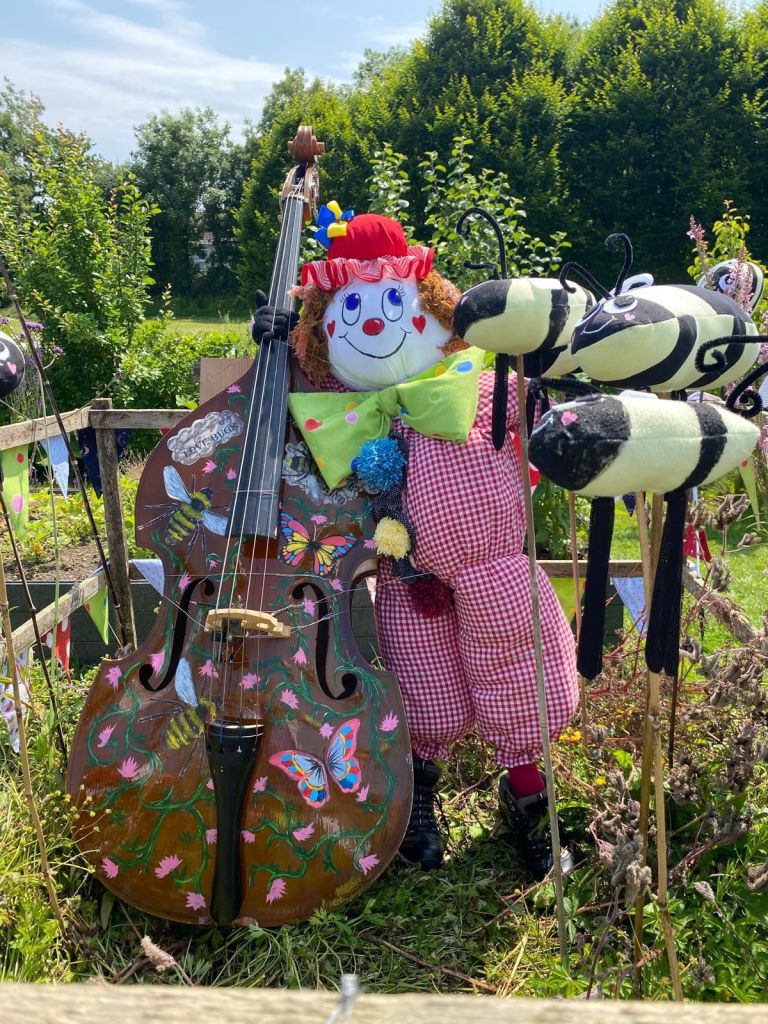
Skerries was alive with excitement on 20-22 June 2025 as the Skerries Wild Bee Festival brought together nature lovers, biodiversity experts and local residents to celebrate and learn about our vital pollinators.
Organised by volunteers from the Skerries Mills Community Garden and funded by Fingal County Council, the festival highlighted the power of small actions in reversing the decline of bees and biodiversity.
The Skerries Wild Bee Festival organising committee includes members who are also part of Sustainable Skerries. The festival aligns closely with our aims: restoring biodiversity, protecting pollinators and encouraging community action for climate and nature.
The festival’s opening night featured a screening of “The Plight of the Bumblebee,” a documentary by Brenda Castles exploring the cultural and ecological importance of bees in Ireland, complete with live traditional music and interviews with bee advocates including Skerries’ own Charlie and Marion Heasman.
Other festival highlights included a passionate keynote from Professor Jane Stout, one of Ireland’s leading pollination ecologists, who praised Skerries for being “a shining example of community action for nature.”
Workshops, nature walks, and talks brought practical and hopeful solutions to life.
A walking tour of the Skerries Biodiversity Corridor showcased how local efforts, including Sustainable Skerries’ own pollinator-friendly planting and Open Orchards work, are making a real difference.
We applaud everyone involved in this inspiring event. It was a strong reminder that when we plant, protect and connect with nature we really can help our town thrive.
To learn more or get involved in Sustainable Skerries’ pollinator and biodiversity efforts, follow us on social media or drop by one of our upcoming events.
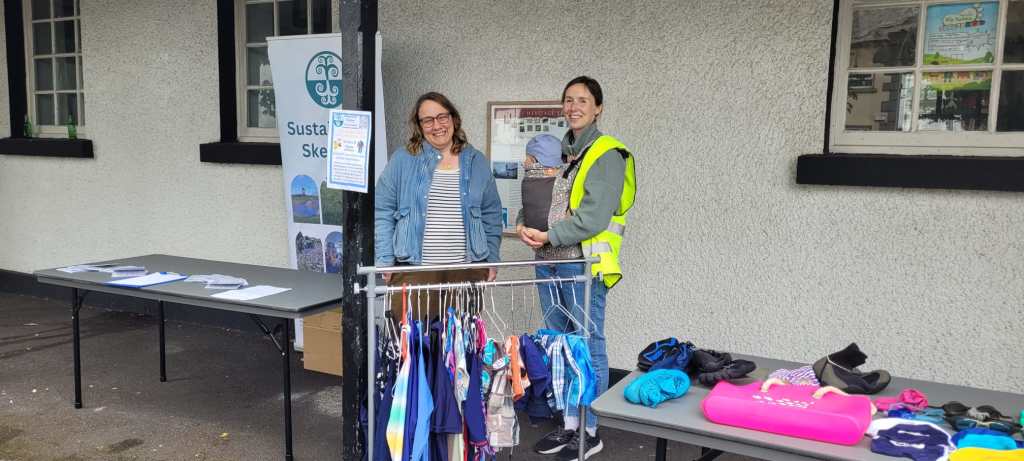
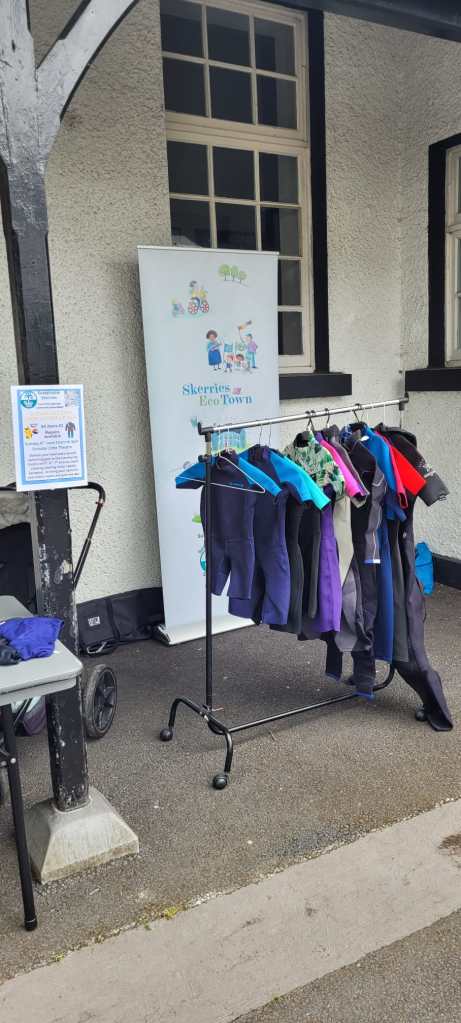
On Sunday 8th June 2025, coinciding with payment for Skerries Water-Safety week, Sustainable Skerries hosted its first Sustainable Swim Shop and Repair Café.
This event was inspired by a member of the public who contacted us after seeing our details on the beach toy library at the South Strand. Events like these are a great way to save money, reduce textile waste and protect the environment.
This one was enabled by the encouragement of the Skerries Water-Safety organising team, the support of the Community Centre (for dropping off items), the help of local repair expert Ann Mulligan, and volunteers from the Sustainable Skerries Committee. We really appreciated their help. Of course we could not have run this event without donations and we are very grateful to everyone who donated items before and during the event.
In total 25 items (wetsuits, swimwear, swim shoes) went to new homes and €77 was raised for local sustainability initiatives. We hope to run this event annually, building on the success of this year to encourage even more reuse of swim items going forwards.